
 Salud al Limite

Indoor plants can instantly make a home feel fresher, calmer, and more inviting. Their natural color softens empty corners, adds movement to a room, and creates a stronger connection with nature.
Many houseplants are also traditionally associated with luck, protection, abundance, harmony, and emotional balance. These meanings come from cultural traditions and symbolism rather than scientific guarantees, but they can still make a plant feel more personal and meaningful.
The best plant for your home is one that suits your available light, lifestyle, and ability to care for it. A healthy, thriving plant will always create a more uplifting atmosphere than one placed in unsuitable conditions.
Whether you want to refresh your entryway, create a calmer bedroom, or bring more life into your home office, these 10 indoor plants can add beauty and positive energy to your space.
1. Money Tree
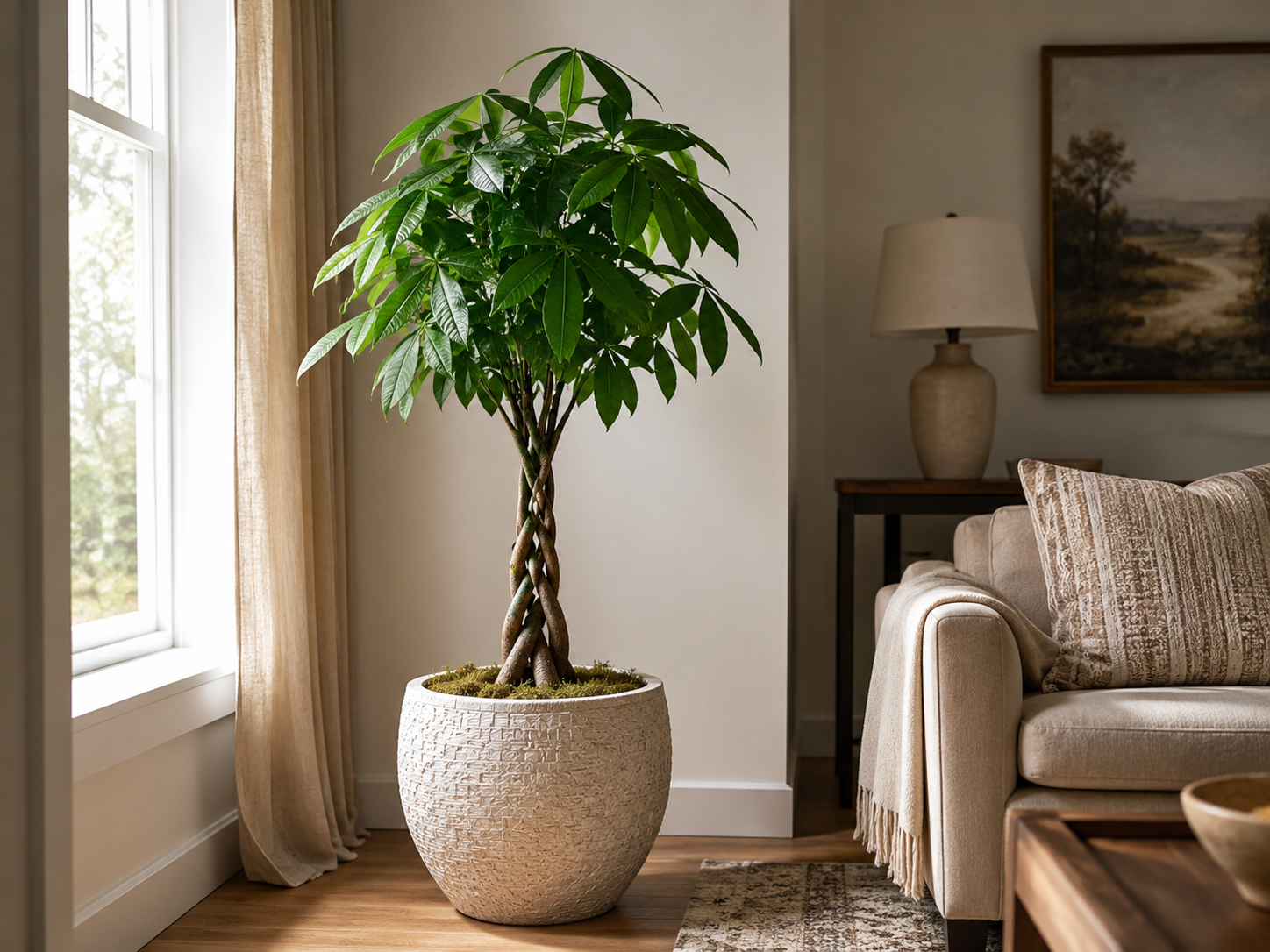
The money tree is one of the most popular indoor plants associated with prosperity, good fortune, and financial growth.
Its braided trunk and bright green leaves give it a distinctive appearance that works beautifully in living rooms, offices, and entryways. A medium or large money tree can also fill an empty corner without requiring additional decor.
Place it near bright, indirect light and water it when the upper layer of soil begins to feel dry. Avoid allowing excess water to remain around the roots.
For a polished look, place the plant inside a neutral ceramic pot, woven basket, or stone-look planter. It works especially well near a desk or entrance, where its symbolism of opportunity and abundance feels most appropriate.
2. Lucky Bamboo
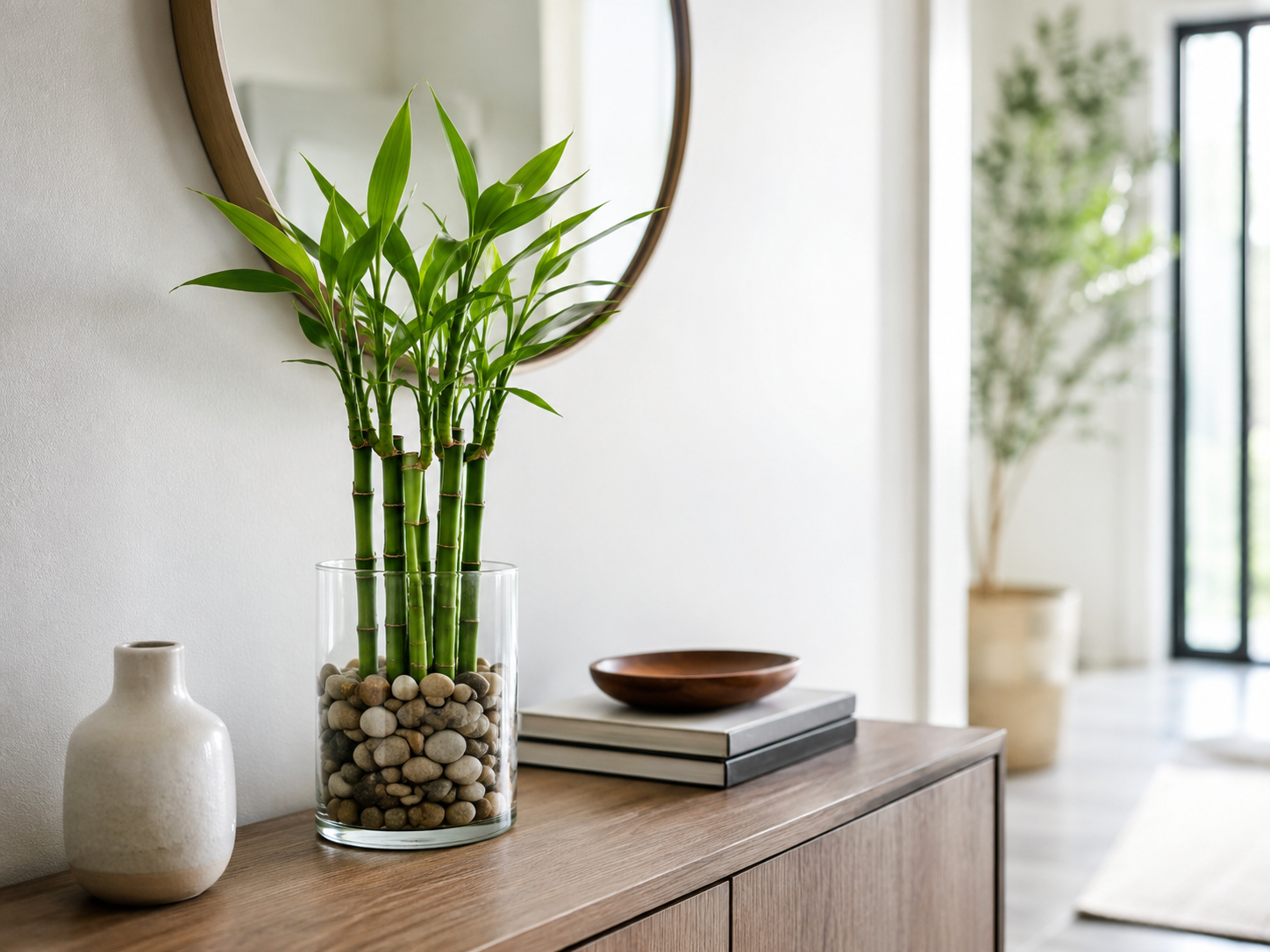
Lucky bamboo is traditionally connected with good fortune, steady growth, balance, and new beginnings.
Its narrow stems and clean vertical shape make it ideal for small spaces. It can be displayed on a bathroom shelf, kitchen counter, office desk, or entryway console without taking up much room.
Lucky bamboo can grow in water or soil. Keep it in bright, filtered light and away from intense direct sun. When growing it in water, refresh the water regularly and keep the container clean.
Use a simple glass or ceramic container to emphasize its minimalist shape. This plant is especially suitable for workspaces and study areas because its upward growth creates a visual sense of progress.
3. Peace Lily
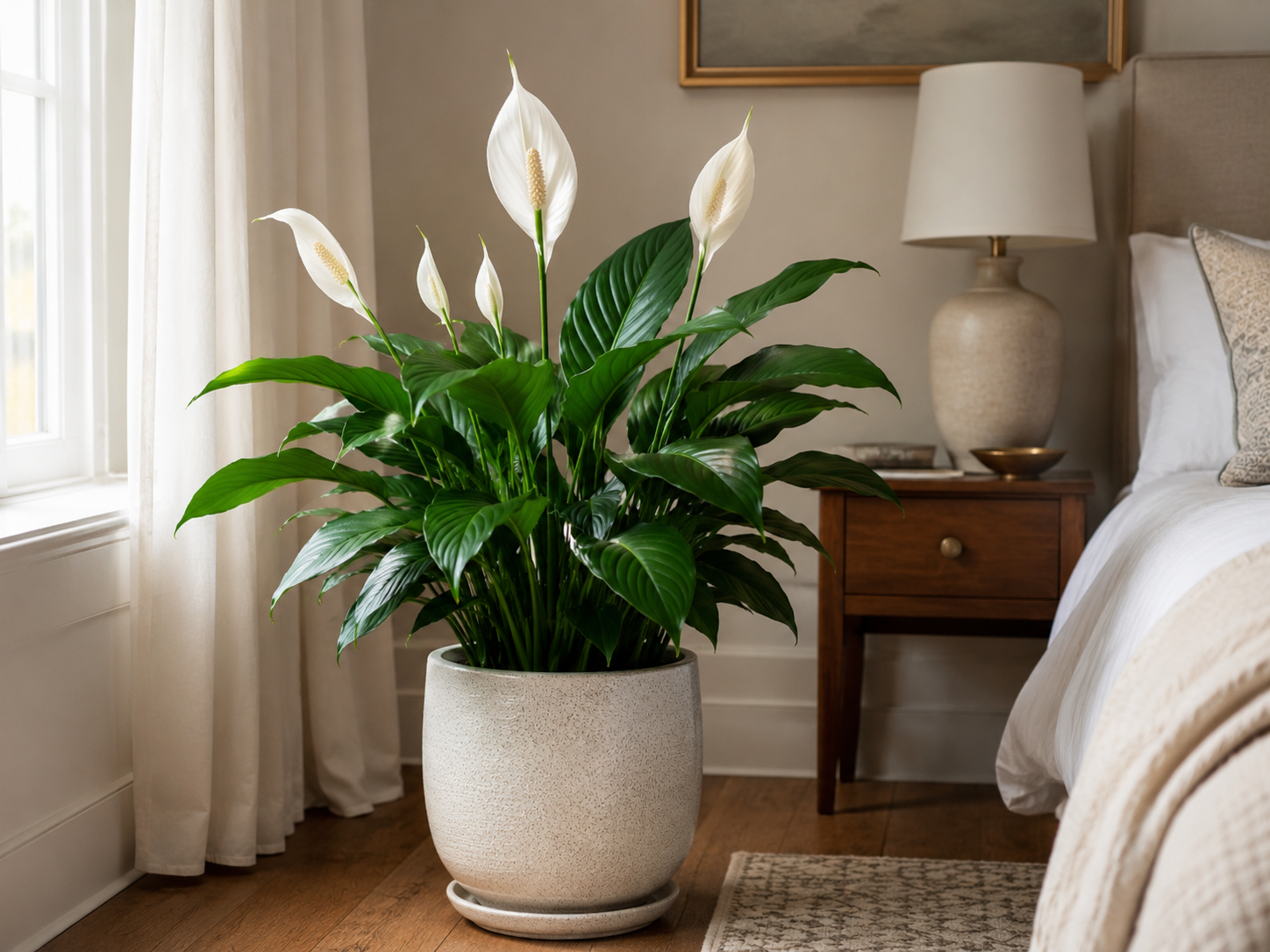
The peace lily is often associated with harmony, calm, renewal, and emotional balance.
Its deep green leaves and elegant white flowers create a soft, refined look that works well in bedrooms, reading corners, bathrooms, and quiet living spaces.
Peace lilies prefer indirect light and soil that remains lightly moist without becoming soaked. Their leaves may droop when the plant needs water, making it easier to recognize their needs.
Place a peace lily in a light-colored planter to highlight the contrast between the foliage and flowers. Keep it away from pets and small children, as the plant can be harmful if eaten.
Its graceful appearance makes it an excellent choice for creating a peaceful and uncluttered atmosphere.
4. Jade Plant
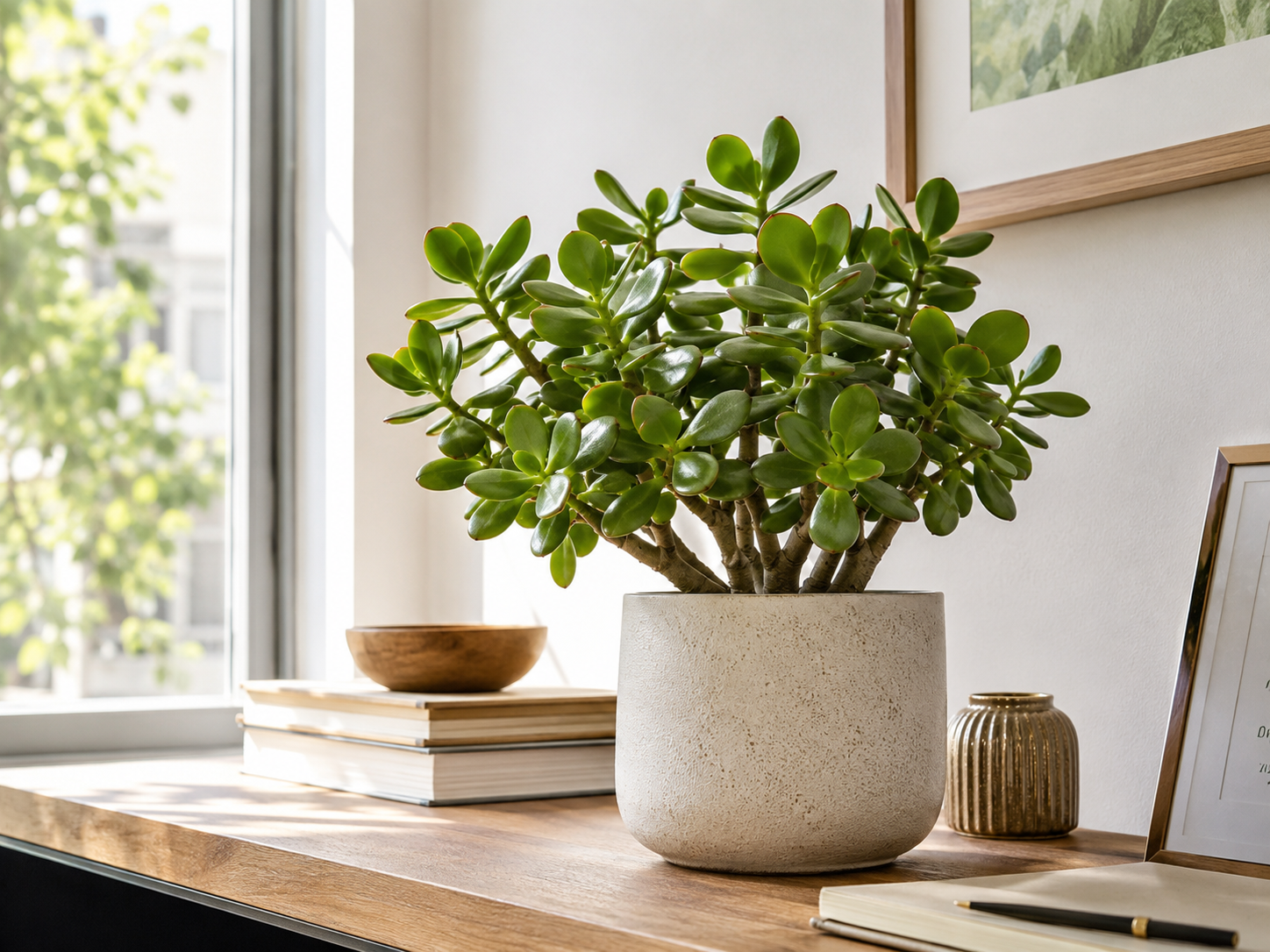
The jade plant is traditionally associated with prosperity, stability, friendship, and long-term success.
Its thick, rounded leaves resemble small coins, which explains its connection with abundance and good fortune. Because it grows slowly and can live for many years, it is also considered a symbol of lasting growth.
Jade plants prefer bright light and well-draining soil. Allow the soil to dry before watering again, as too much moisture can damage the roots.
Its compact shape makes it perfect for desks, shelves, windowsills, and console tables. Style it in a terracotta or neutral ceramic pot for a clean, natural appearance.
A jade plant is especially attractive in a home office, where it adds greenery without creating visual clutter.
5. Snake Plant
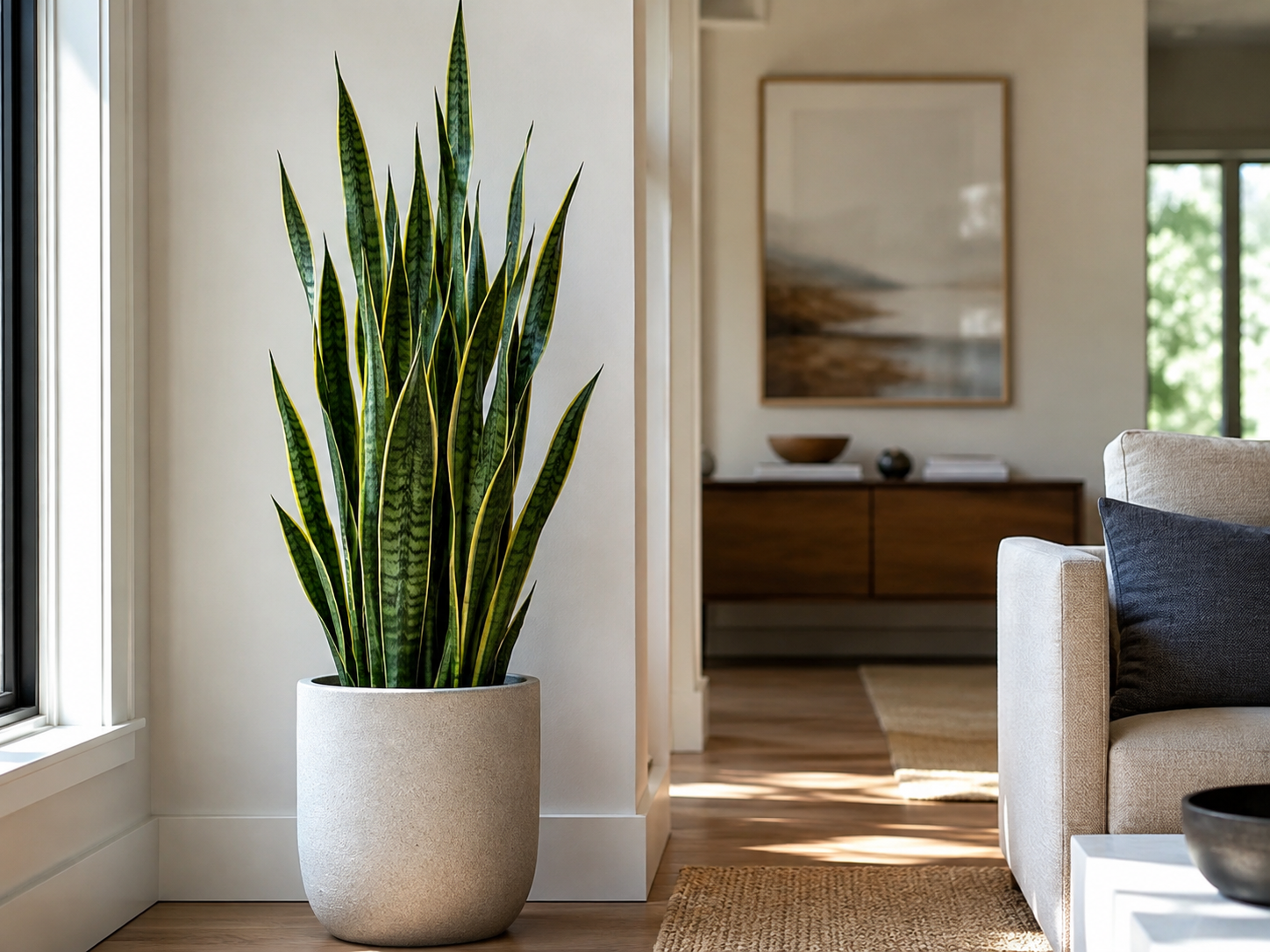
The snake plant is admired for its resilience, strength, and bold vertical shape.
Its tall leaves add structure to empty corners and visually draw the eye upward, which can make a room feel taller. It works beautifully in modern, minimalist, and contemporary interiors.
Snake plants tolerate different indoor conditions, although they grow best in bright, indirect light. Allow the soil to dry between waterings.
Because the leaves point upward, the plant is often associated with protective and strong energy. It is frequently placed near entrances, windows, or home offices.
Choose a simple planter in black, beige, stone, or terracotta. One substantial snake plant usually has more visual impact than several small pots placed together.
6. Orchid
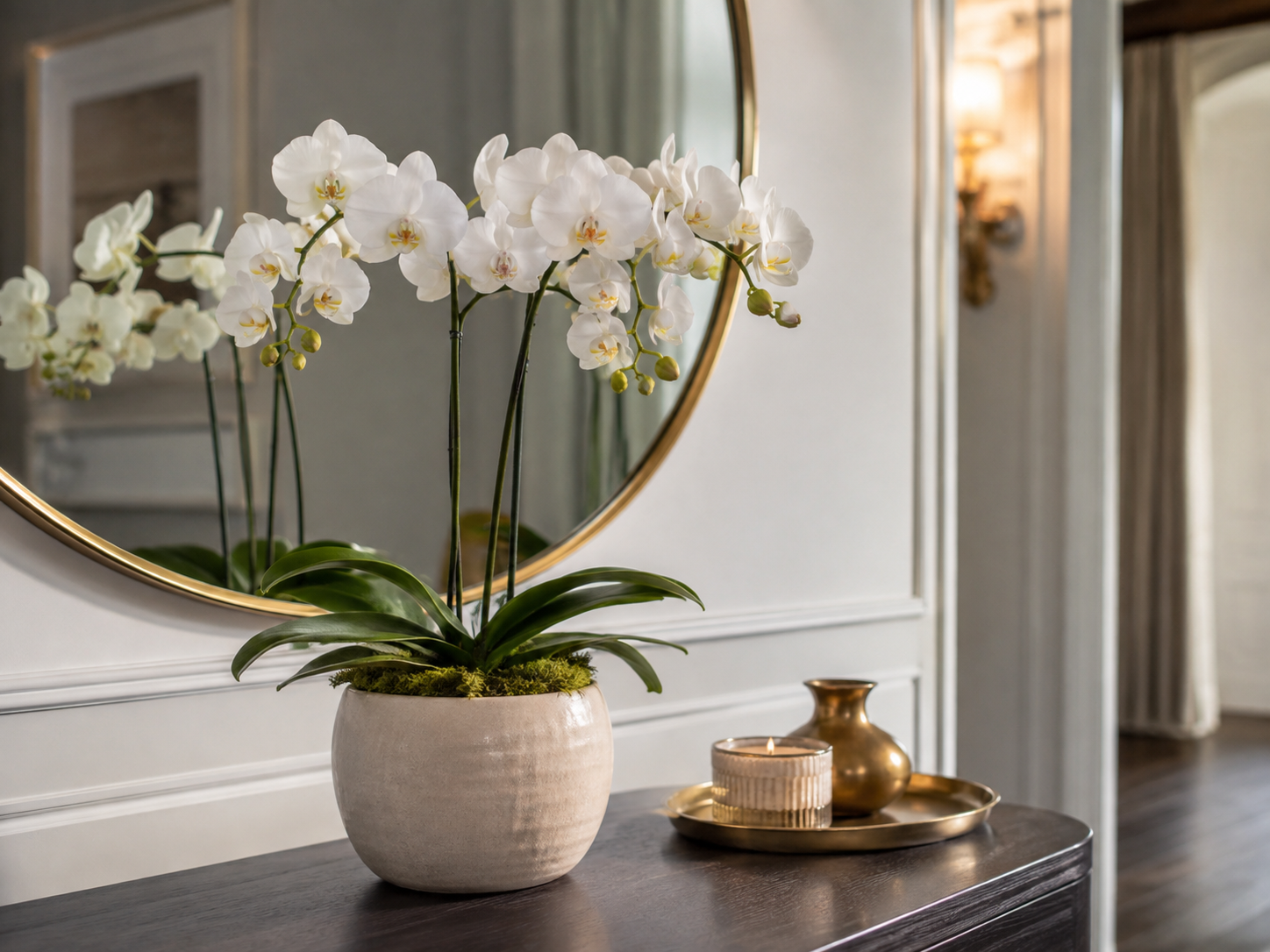
Orchids are commonly associated with beauty, refinement, love, balance, and positive relationships.
Their elegant flowers make them feel like living decor, making them ideal for bathroom vanities, dining room sideboards, bedroom dressers, and entryway consoles.
Orchids need bright, indirect light, good airflow around their roots, and careful watering. Their growing medium should never remain constantly wet.
A white orchid creates a calm and sophisticated look, while pale pink or purple flowers add soft color. Keep the styling simple so the flowers remain the main attraction.
Place the orchid inside a beautiful ceramic pot or decorative outer container. One healthy orchid is often enough to make an entire surface feel more luxurious.
7. Rubber Plant
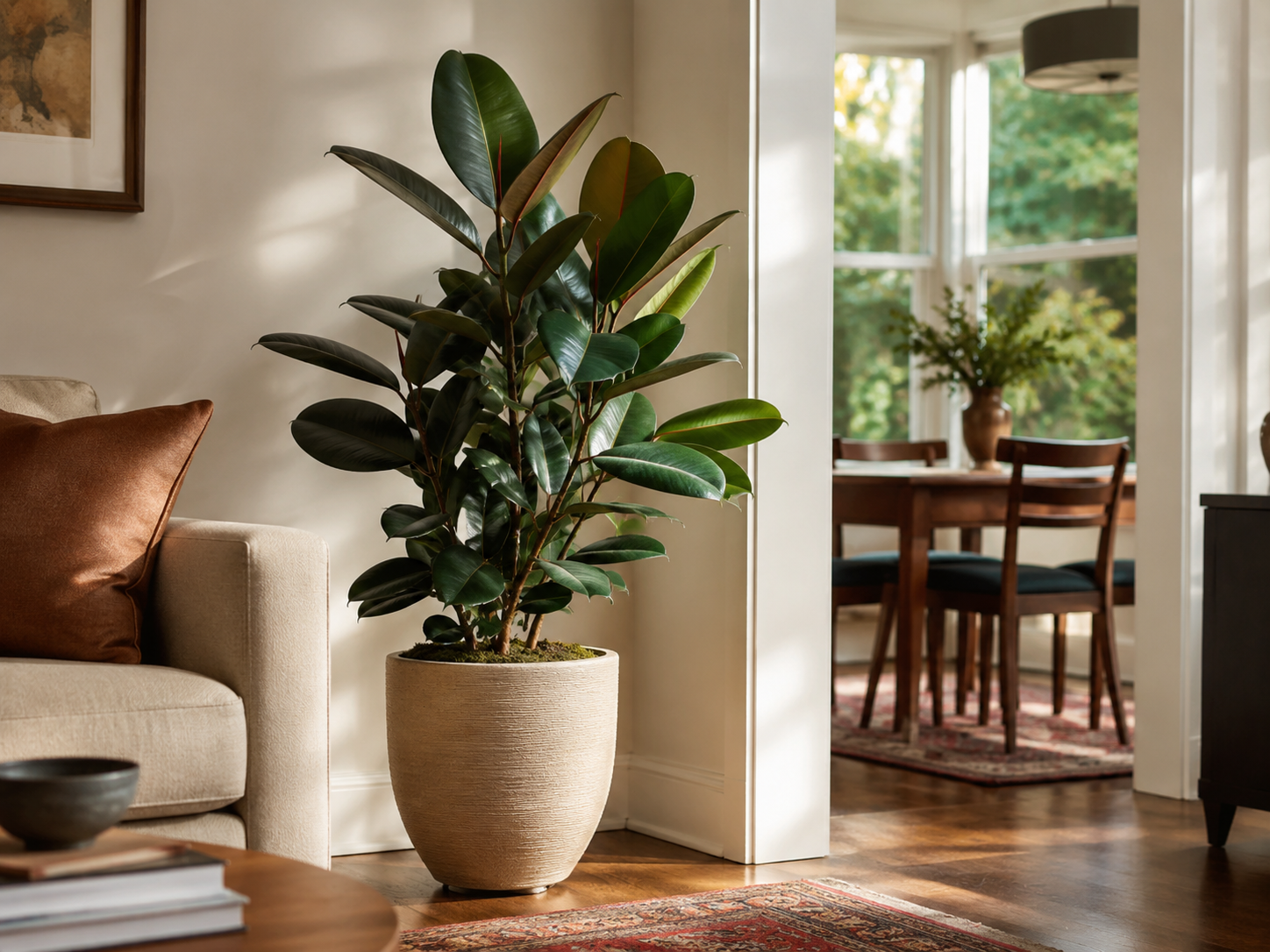
The rubber plant is traditionally connected with abundance, stability, and continued growth.
Its large, glossy leaves create a strong visual presence and can make a plain room feel richer and more complete. It is especially effective beside a sofa, near a dining room window, or in an empty corner.
Rubber plants prefer bright, indirect light and moderate watering. Let the upper soil dry slightly before watering again.
Green varieties feel fresh and classic, while dark burgundy varieties create a moodier, more dramatic look. Wipe the leaves occasionally to remove dust and maintain their natural shine.
Because it can grow into a substantial floor plant, the rubber plant is a beautiful choice for anyone who wants one strong decorative feature instead of many smaller accessories.
8. Pothos
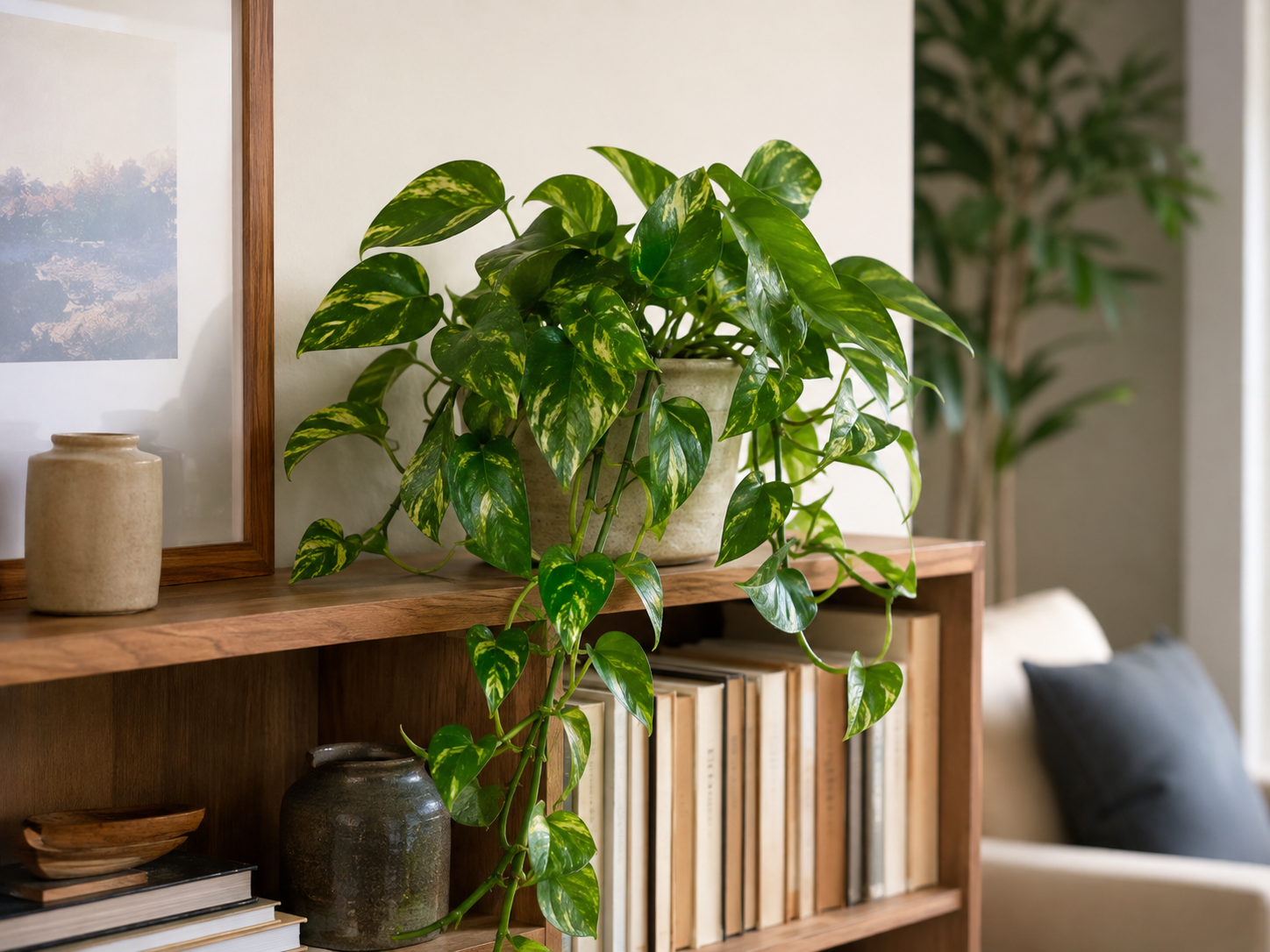
Pothos is often associated with growth, persistence, adaptability, and forward movement.
Its trailing vines add softness to bookshelves, cabinets, hanging planters, and high ledges. The flowing shape works especially well in rooms with many straight lines or hard architectural surfaces.
Pothos adapts to different lighting conditions, although brighter indirect light usually encourages fuller growth. Water it when part of the soil feels dry.
Trim the vines when you want a more compact appearance, or allow them to grow longer for a relaxed, natural look.
This plant is ideal for beginners because it is relatively easy to maintain. Keep it away from pets that may chew its leaves.
9. Lavender
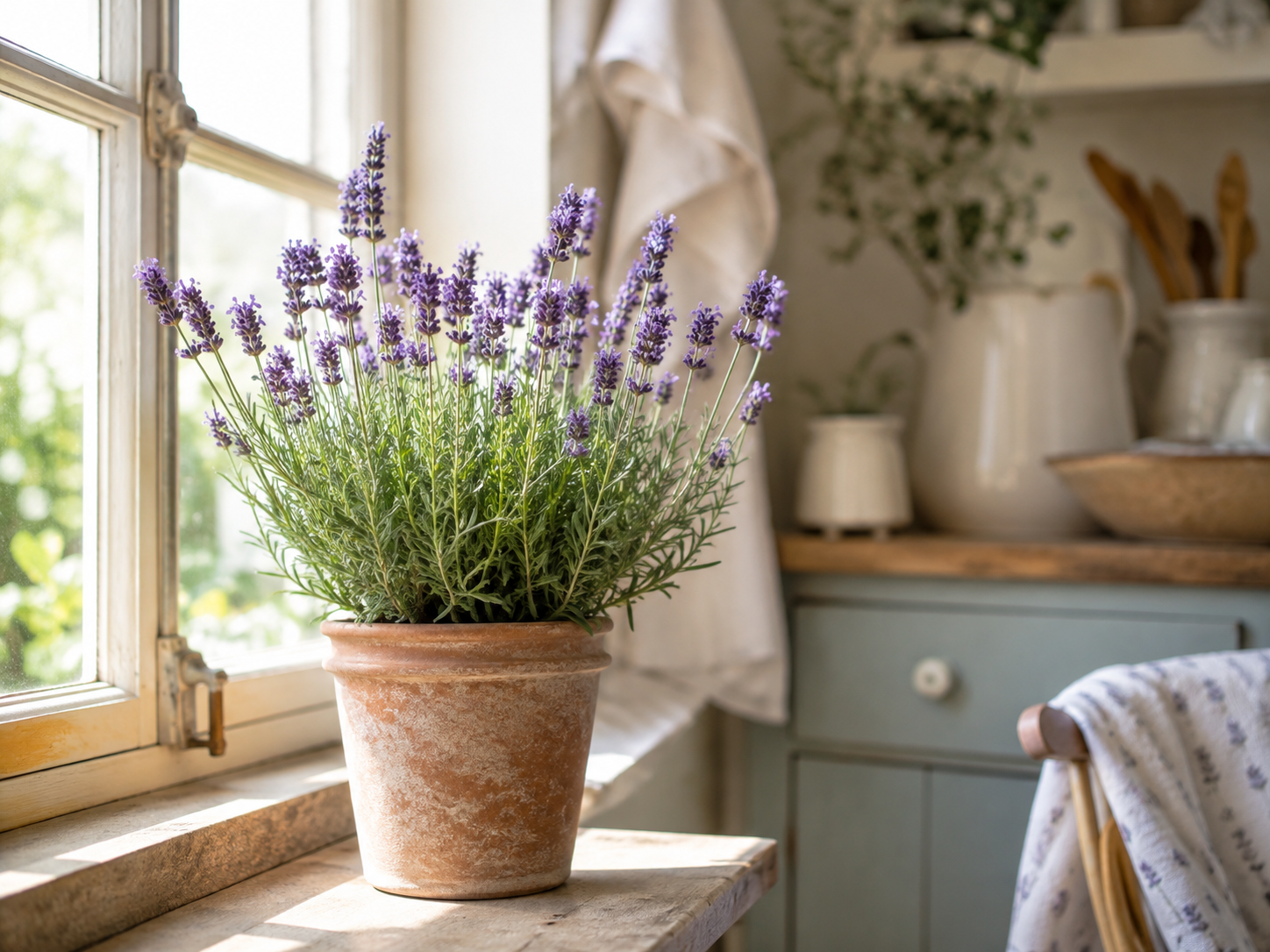
Lavender is commonly associated with peace, clarity, relaxation, and protection.
Its soft purple flowers and familiar fragrance can bring a calming quality to bedrooms, bathrooms, kitchens, and quiet reading areas. It also complements farmhouse, Mediterranean, cottage, and rustic interiors.
Indoor lavender requires plenty of direct sunlight, strong air circulation, and well-draining soil. Place it near the brightest window available and avoid overwatering.
If your home does not provide enough sunlight, dried lavender can create a similar visual and aromatic effect without ongoing maintenance.
Display fresh or dried lavender in a simple ceramic vase, woven basket, or terracotta container for a natural and elegant look.
10. Rosemary
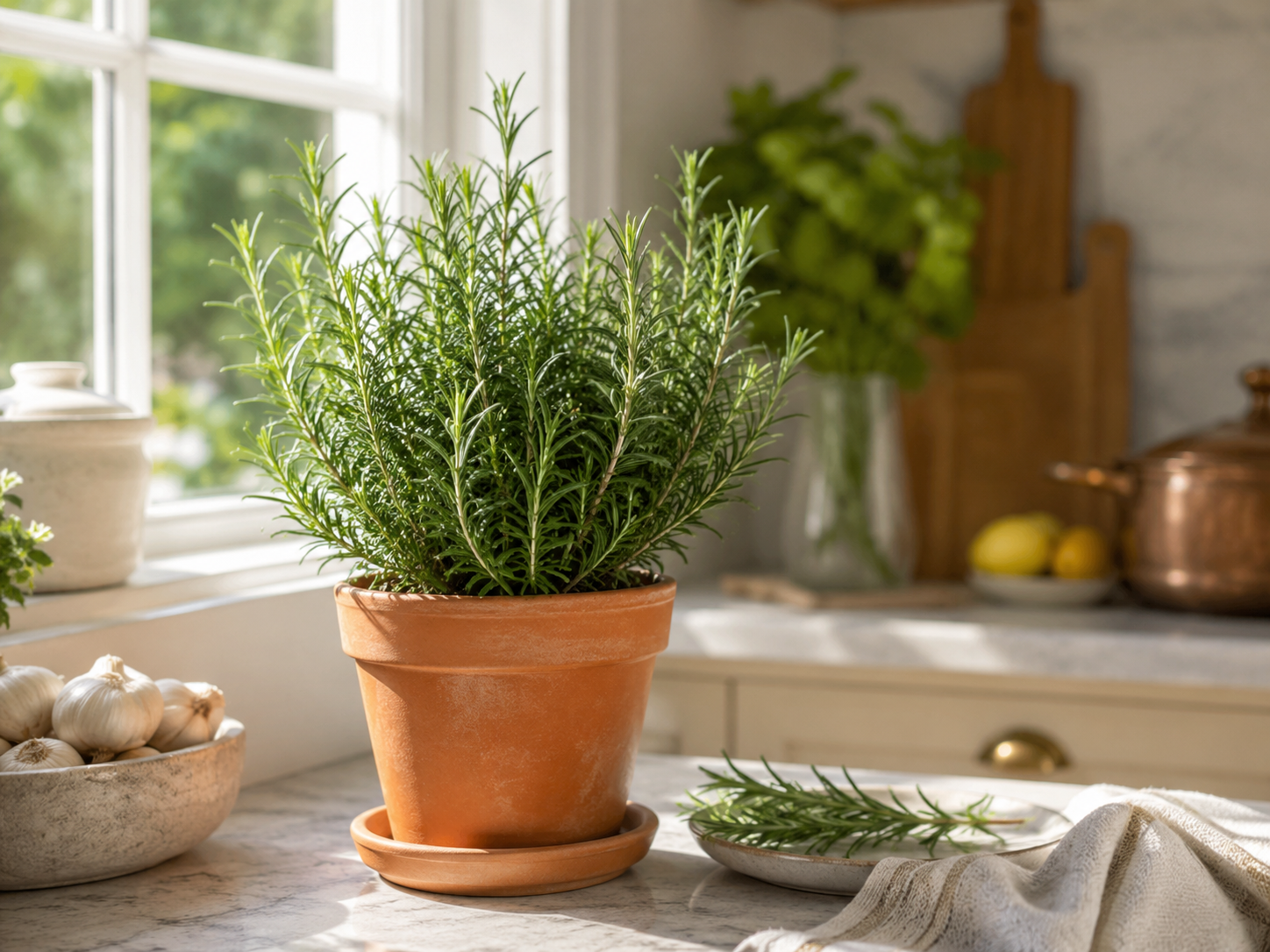
Rosemary has long been connected with memory, clarity, protection, and a welcoming home.
Its narrow, fragrant leaves make it decorative and useful, especially in kitchens and dining areas. It adds texture without taking up a large amount of space.
Rosemary needs strong light, good air circulation, and well-draining soil. A sunny kitchen window is usually the best location.
Trim it regularly to maintain a full shape and use the fresh leaves while cooking. This combination of beauty and function makes rosemary especially meaningful in spaces associated with food, family, and everyday routines.
Place it in a natural terracotta pot for a simple Mediterranean-inspired appearance.
Where to Place Plants for Positive Energy
Plant placement should support both the health of the plant and the function of the room.
In an entryway, use a money tree, snake plant, or rubber plant to create a strong and welcoming first impression. In a home office, consider lucky bamboo, jade, or a small money tree to symbolize growth and opportunity.
Bedrooms benefit from simple greenery that does not overwhelm the space. An orchid or peace lily can add softness to a dresser or quiet corner.
In living rooms, use one larger floor plant near a sofa, window, or empty wall. Add smaller plants to shelves or side tables only when they do not create clutter.
Kitchens are ideal for rosemary, lavender, and other useful plants that receive enough natural light.
How to Decorate With Indoor Plants
Choose planters that complement the colors and materials already used throughout your home.
Neutral ceramic pots, woven baskets, terracotta containers, stone-look planters, and matte black finishes work with many decorating styles. Repeating one or two planter materials creates a more cohesive result.
Vary the height of the plants. Combine a tall floor plant, a medium plant on a console, and a trailing plant on a shelf to create visual movement.
Avoid filling every surface with several tiny plants. A few healthy, properly sized plants usually look more elegant and have a stronger decorative impact.
Remove damaged leaves, clean dust from larger foliage, and rotate the pots occasionally so the plants grow evenly.
Indoor Plant Mistakes to Avoid
Do not choose a plant based only on appearance. Always consider the amount of natural light, humidity, and space available in the room.
Overwatering is one of the most common mistakes. Many houseplants need part of their soil to dry before receiving more water.
Avoid placing plants beside heating vents, air conditioners, or cold drafts. Sudden temperature changes can damage the foliage.
It is also important to research pet safety before bringing a new plant home. Several popular indoor plants can be harmful if cats or dogs eat them.
A healthy plant will always create a more positive impression than one struggling in the wrong location.
Final Thoughts
Indoor plants can make a home feel calmer, fresher, and more connected to nature.
Money trees, lucky bamboo, peace lilies, jade plants, snake plants, orchids, rubber plants, pothos, lavender, and rosemary all carry traditional associations with abundance, harmony, protection, beauty, or personal growth.
You do not need to fill every room with greenery. Begin with one or two plants that match your available light and care routine.
With thoughtful placement, attractive planters, and proper care, indoor plants can bring natural beauty and a more uplifting atmosphere into any home.


