
 Salud al Limite

Indoor plants can do much more than decorate a room. The right varieties can fill your home with beautiful natural fragrance while adding color, texture, and life to your interior.
Some scented houseplants release a sweet floral perfume, while others offer fresh herbal, citrus, or minty aromas. They can make a bedroom feel more relaxing, a kitchen feel fresher, or an entryway feel more welcoming.
However, many fragrant plants need enough sunlight and proper care before they produce flowers or strongly scented leaves. The best option is one that matches the lighting, temperature, and humidity inside your home.
Whether you prefer soft floral scents or refreshing herbal aromas, these 11 houseplants can make your home smell amazing naturally.
1. Arabian Jasmine
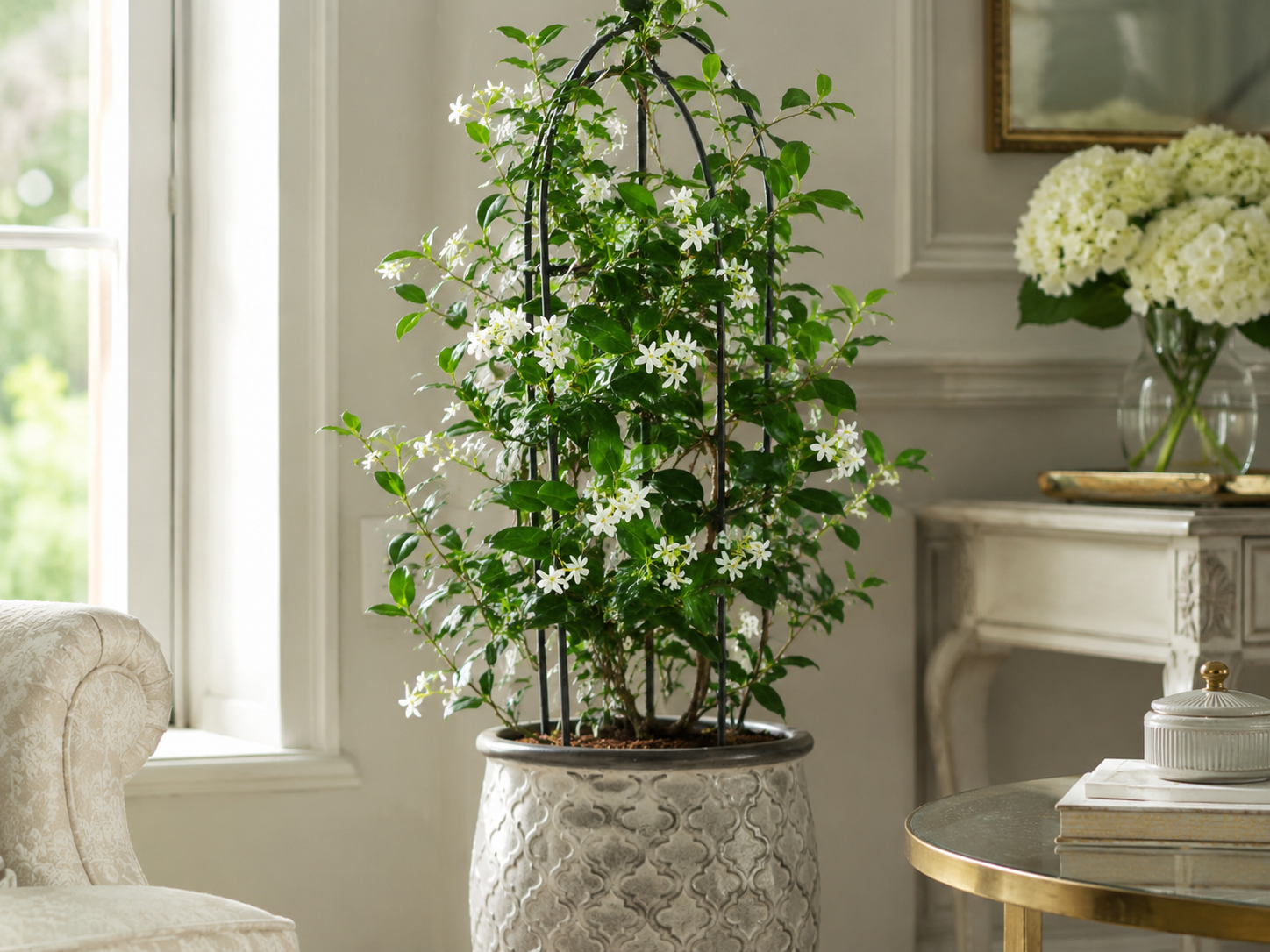
Arabian jasmine is one of the most popular fragrant indoor plants because of its small white flowers and rich, sweet scent.
The fragrance often becomes stronger during the evening, making this plant a beautiful addition to a bedroom, sitting room, or sunroom. Even one flowering jasmine plant can noticeably perfume a small space.
Arabian jasmine needs plenty of bright light to produce flowers. Place it near a sunny window, but protect it from extreme afternoon heat.
Keep the soil lightly moist and allow excess water to drain completely. The long stems can be trained around a small hoop or trellis to create a more organized and decorative shape.
Because its fragrance is powerful, one healthy plant is usually enough for a room.
2. Gardenia
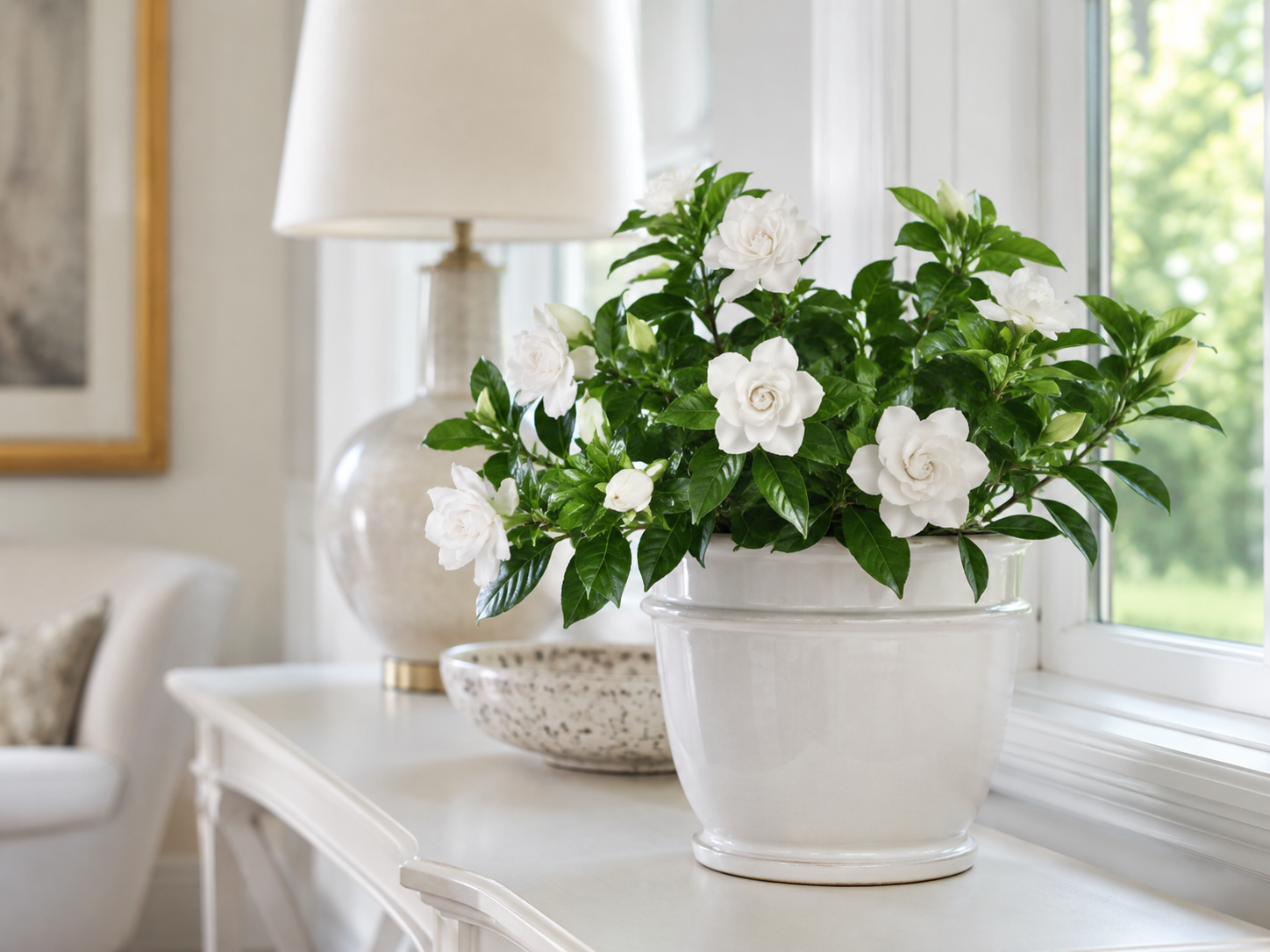
Gardenias are famous for their creamy white flowers and luxurious floral fragrance.
Their scent is rich, elegant, and instantly recognizable. A blooming gardenia can make an entryway, bedroom, or formal living room feel especially refined.
Gardenias require more attention than many common houseplants. They prefer bright light, consistent moisture, good humidity, and stable temperatures.
Sudden changes in location, drafts, or irregular watering may cause unopened flower buds to fall. Keep the plant away from heating vents and cold windows.
Choose a simple white, beige, or stone-colored planter so the dark green leaves and white flowers remain the main focus.
3. Lavender
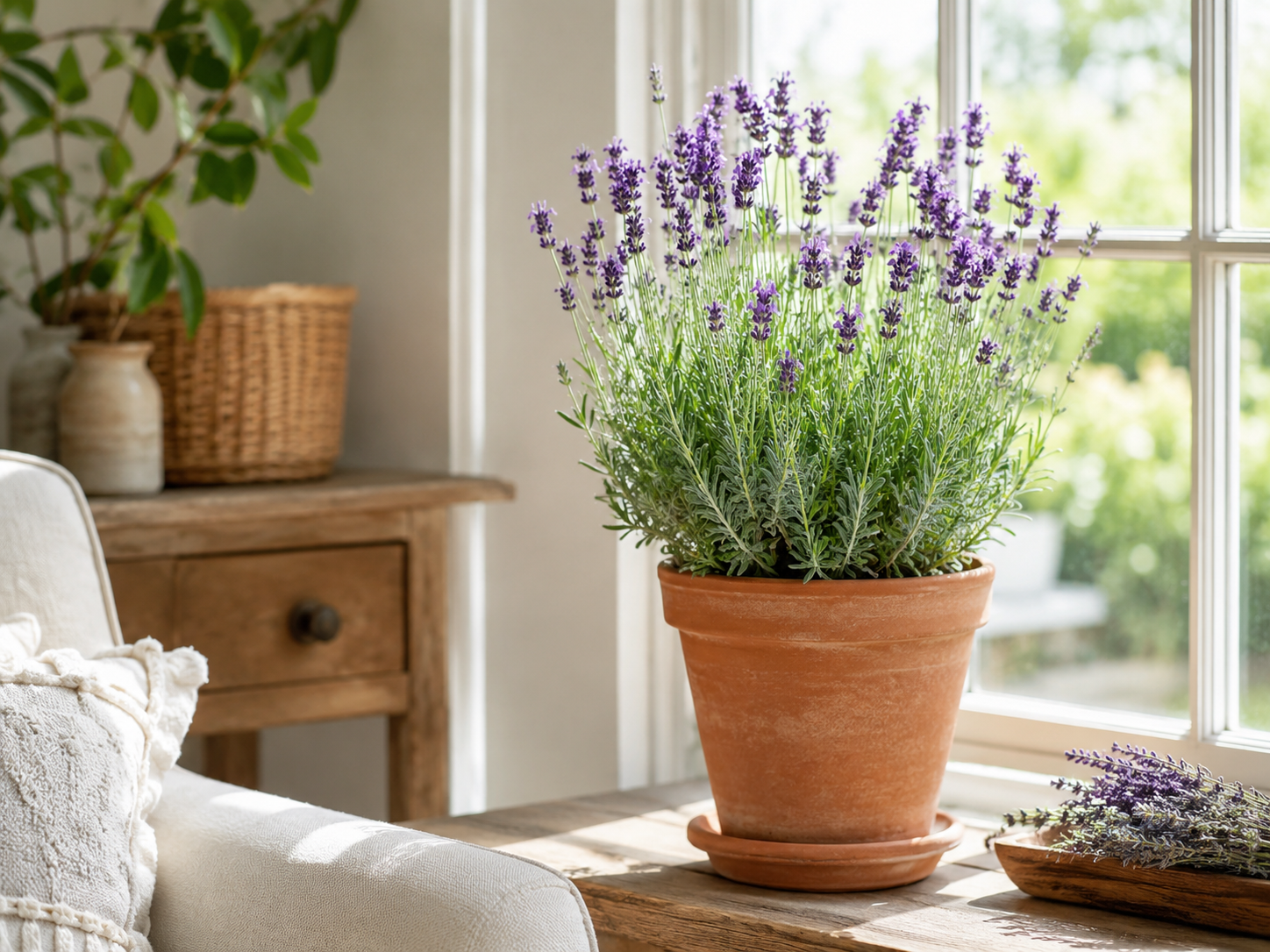
Lavender provides a clean, herbal fragrance often associated with peace, calm, and relaxation.
Its soft purple flowers work beautifully in bedrooms, bathrooms, kitchens, and cottage-inspired interiors. Lavender also looks especially attractive in terracotta pots and aged ceramic containers.
Indoor lavender needs several hours of direct sunlight each day. Place it beside the brightest window available and provide good air circulation.
Allow the soil to dry slightly between waterings, as lavender does not tolerate constantly wet roots.
Once the flowers begin to fade, cut and dry the stems. Dried lavender can continue adding fragrance to drawers, closets, vases, and decorative bowls.
4. Scented Geranium
Scented geraniums are grown mainly for their fragrant leaves.
Depending on the variety, the foliage may smell like rose, lemon, mint, apple, or citrus. The scent becomes stronger when the leaves are gently touched or rubbed.
These plants are ideal for bright kitchens, enclosed porches, and home offices. Their soft leaves and delicate flowers create a relaxed, slightly vintage appearance.
Scented geraniums prefer bright light and well-draining soil. Allow the upper soil to dry before watering again.
Trim the stems regularly to keep the plant compact and full. Without pruning, scented geraniums can become tall and uneven.
Place the plant somewhere you can easily touch the leaves and enjoy their natural fragrance.
5. Hoya
Hoya is a beautiful trailing houseplant known for its thick leaves and clusters of waxy, star-shaped flowers.
When blooming, some hoya varieties produce a sweet fragrance that may resemble vanilla, honey, chocolate, or floral perfume.
Hoyas look beautiful in hanging planters, on shelves, or trained around a circular support. Their foliage remains decorative even when the plant is not flowering.
Place a hoya in bright, indirect light and allow part of the soil to dry between waterings. Avoid moving the plant frequently once it begins producing flowers.
Do not remove the small flower stems after the blooms fade. Many hoyas can produce new flowers from those same stems.
6. Fragrant Orchids
Not every orchid produces fragrance, but several varieties offer beautiful floral, citrus, vanilla, or chocolate-like scents.
Fragrant orchids combine natural perfume with an elegant decorative appearance. They work especially well on bathroom vanities, dining room sideboards, bedroom dressers, and entryway consoles.
When purchasing one, confirm that the specific orchid variety is scented. Many common orchids sold in stores have little or no fragrance.
Most orchids prefer bright, indirect light, careful watering, and good airflow around their roots. Their potting medium should never remain constantly wet.
Display the orchid in a simple ceramic container so the flowers remain the main attraction.
7. Dwarf Citrus Tree
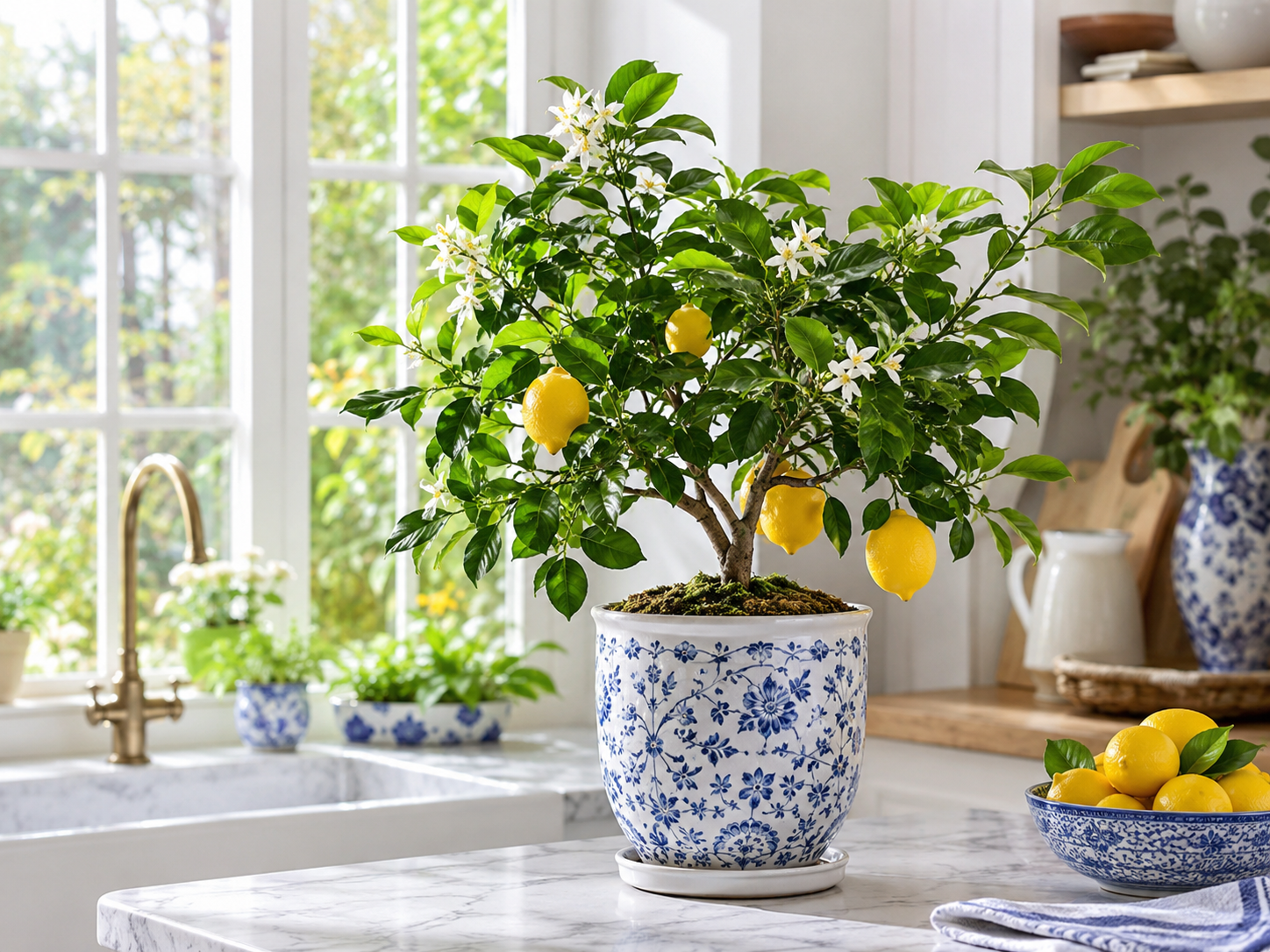
A dwarf lemon, lime, or orange tree can fill a bright room with a fresh citrus fragrance.
The small white blossoms are often highly scented, while the glossy leaves add a beautiful Mediterranean-inspired appearance. Under the right conditions, the tree may also produce small fruits.
Indoor citrus trees require several hours of strong sunlight every day. Place one near the brightest window available or provide a suitable grow light.
Water when the upper soil begins to dry, and always use a planter with excellent drainage.
A dwarf citrus tree can become a striking focal point in a kitchen, breakfast room, or sunroom. A substantial terracotta or neutral ceramic planter completes the look.
8. Rosemary
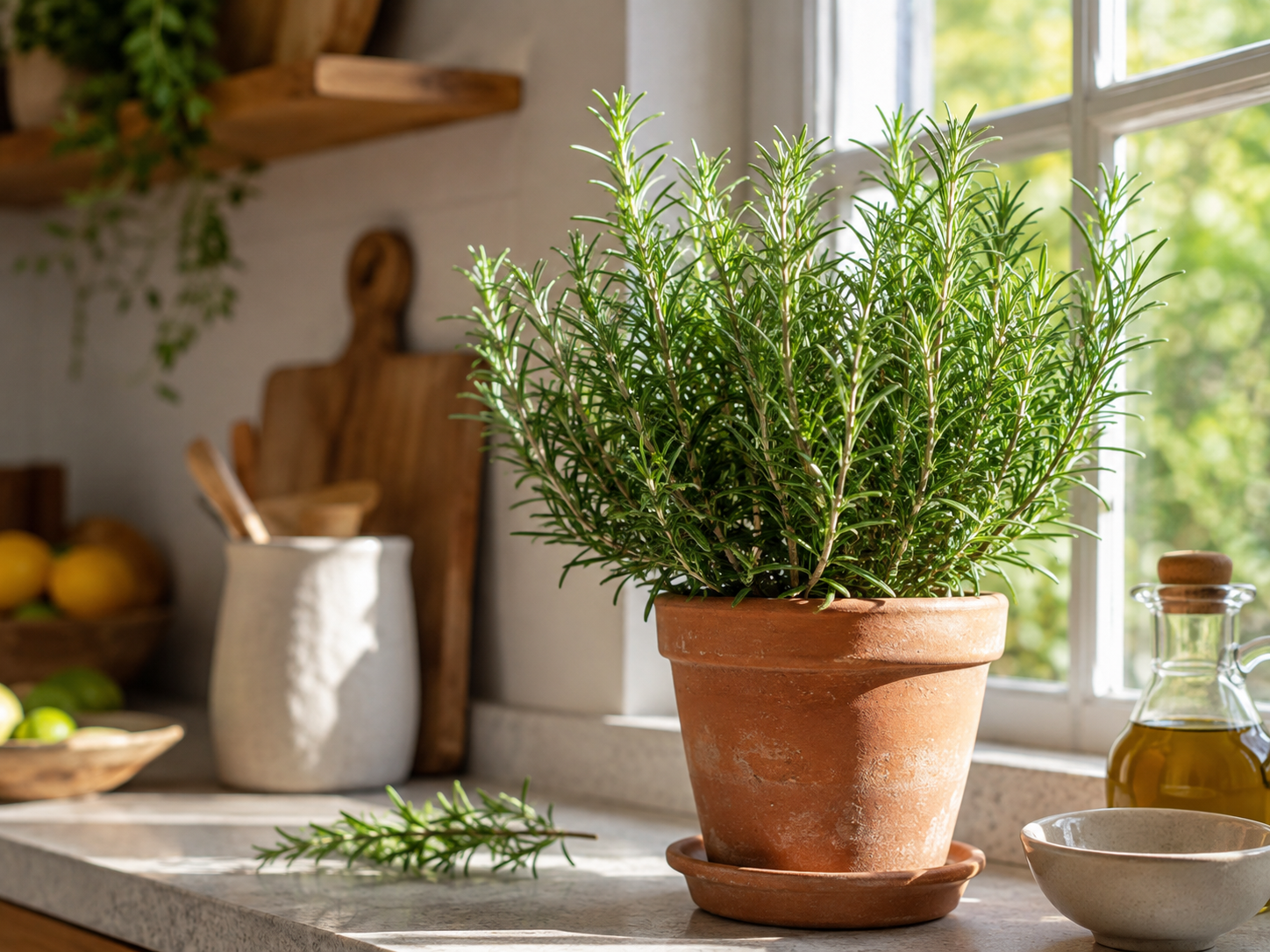
Rosemary provides a clean, woodsy, herbal fragrance and can also be used for cooking.
Its narrow green leaves add natural texture to kitchens and dining areas. Simply touching or trimming the stems releases its familiar aroma.
Rosemary needs strong sunlight and good air circulation. A bright kitchen window is usually the best indoor location.
Allow part of the soil to dry before watering again, but do not leave the plant completely dry for long periods.
Trim the stems regularly to encourage fuller growth and use the fresh leaves in meals.
Rosemary is ideal for anyone who prefers a fresh herbal scent instead of a strong floral fragrance.
9. Mint
Mint creates a crisp, refreshing fragrance and is one of the easiest aromatic plants to use in the kitchen.
Peppermint, spearmint, and chocolate mint each have a slightly different scent. The aroma becomes stronger when the leaves are touched, cut, or added to food and drinks.
Mint prefers bright light and soil that remains lightly moist. Because it grows quickly, keep it in its own container.
Place the plant near a kitchen window where the leaves can be harvested easily. Trim it frequently to maintain a compact and attractive shape.
You can combine mint with rosemary and other herbs, but use coordinated pots so the display feels organized rather than cluttered.
10. Paperwhite Narcissus
Paperwhite narcissus produces delicate white flowers with a strong and distinctive fragrance.
These bulbs are commonly grown indoors during the cooler months and can flower without being planted outdoors first.
Paperwhites can be displayed in decorative bowls filled with stones, gravel, or potting soil. Keep the roots lightly moist and place the container near bright light.
As the stems grow taller, they may require support to keep them upright.
Paperwhites work beautifully on dining tables, entryway consoles, and windowsills. Their fragrance can be intense, so they are better suited to open rooms than very small bedrooms.
11. Stephanotis
Stephanotis, also known as Madagascar jasmine, produces elegant white flowers with a rich, sweet fragrance.
Its glossy leaves and climbing stems give it a refined appearance that works beautifully in traditional, romantic, and luxury-inspired interiors.
Stephanotis prefers bright, indirect light, warm temperatures, and consistent moisture while actively growing. It may react poorly to sudden changes in location or temperature.
Train the stems around a small hoop or trellis to maintain an attractive shape.
Place the plant near a bright window, on a decorative plant stand, or beside an entryway console. Use a simple planter so the white flowers remain the focal point.
Where to Place Fragrant Houseplants
The best location depends on both the strength of the fragrance and the amount of light the plant requires.
Rosemary, mint, lavender, and dwarf citrus trees work best near bright kitchen windows. Their fragrances also complement areas connected with cooking and food.
Jasmine, gardenia, scented orchids, and stephanotis can make bedrooms, bathrooms, entryways, and quiet sitting rooms feel more elegant.
Plants with very strong fragrances may feel overwhelming in small rooms. Begin with one scented plant and observe how the fragrance spreads through the space.
Always prioritize the plant’s lighting needs. A sun-loving plant will not remain healthy in a dark corner, even when that location looks attractive.
How to Help Fragrant Plants Bloom Indoors
Many scented houseplants only release strong fragrance while flowering.
Provide the correct amount of light, since insufficient sunlight is one of the most common reasons plants fail to bloom. Jasmine, citrus, lavender, and scented geraniums usually need especially bright conditions.
Use a planter with good drainage and avoid placing a small plant inside an excessively large container.
During the active growing season, use an appropriate fertilizer according to the plant’s specific needs. Too much fertilizer may encourage leaf growth instead of flowers.
Stable temperatures and proper watering are also essential. Some fragrant plants need time to adjust to indoor conditions before producing new blooms.
Fragrant Houseplant Mistakes to Avoid
Do not select a plant based only on its scent. Consider how much sunlight, humidity, and care it requires.
Avoid placing several strongly scented flowering plants in one small room. Pleasant fragrances can become overpowering when combined.
Overwatering is another common problem. Check the soil before watering and always use containers with drainage holes.
Keep sensitive plants away from heating vents, air conditioners, and cold drafts.
Households with pets should research each plant carefully, as safety can vary depending on the species.
Final Thoughts
Fragrant houseplants can make a home feel fresher, more personal, and naturally inviting.
Arabian jasmine, gardenia, lavender, scented geranium, hoya, fragrant orchids, dwarf citrus trees, rosemary, mint, paperwhite narcissus, and stephanotis each offer a different type of beautiful fragrance.
Some provide sweet floral perfume, while others create fresh herbal or citrus aromas.
Choose plants that match your preferred scent, available sunlight, and care routine. With proper placement and attention, these houseplants can bring natural beauty and an amazing fragrance into your home.


