
 Salud al Limite

Home decor in 2026 is becoming warmer, more expressive, and deeply personal.
After years of cool gray interiors, nearly empty rooms, and perfectly coordinated furniture, homeowners are moving toward spaces that feel comfortable, collected, and full of character. Natural materials, rich colors, handmade details, and furniture with visible age are replacing interiors that look designed only for photographs.
This does not mean every home needs to become colorful or maximalist. The biggest decorating shift is toward creating rooms that reflect the people who actually live in them.
A modern home in 2026 can still be simple, but it should include texture, warmth, and meaningful details. A vintage side table, an aged brass lamp, patterned curtains, or a sculptural chair can make a neutral space feel more personal.
Here are 10 home decor trends defining 2026 and practical ways to introduce them into your home.
1. Warm and Earthy Color Palettes
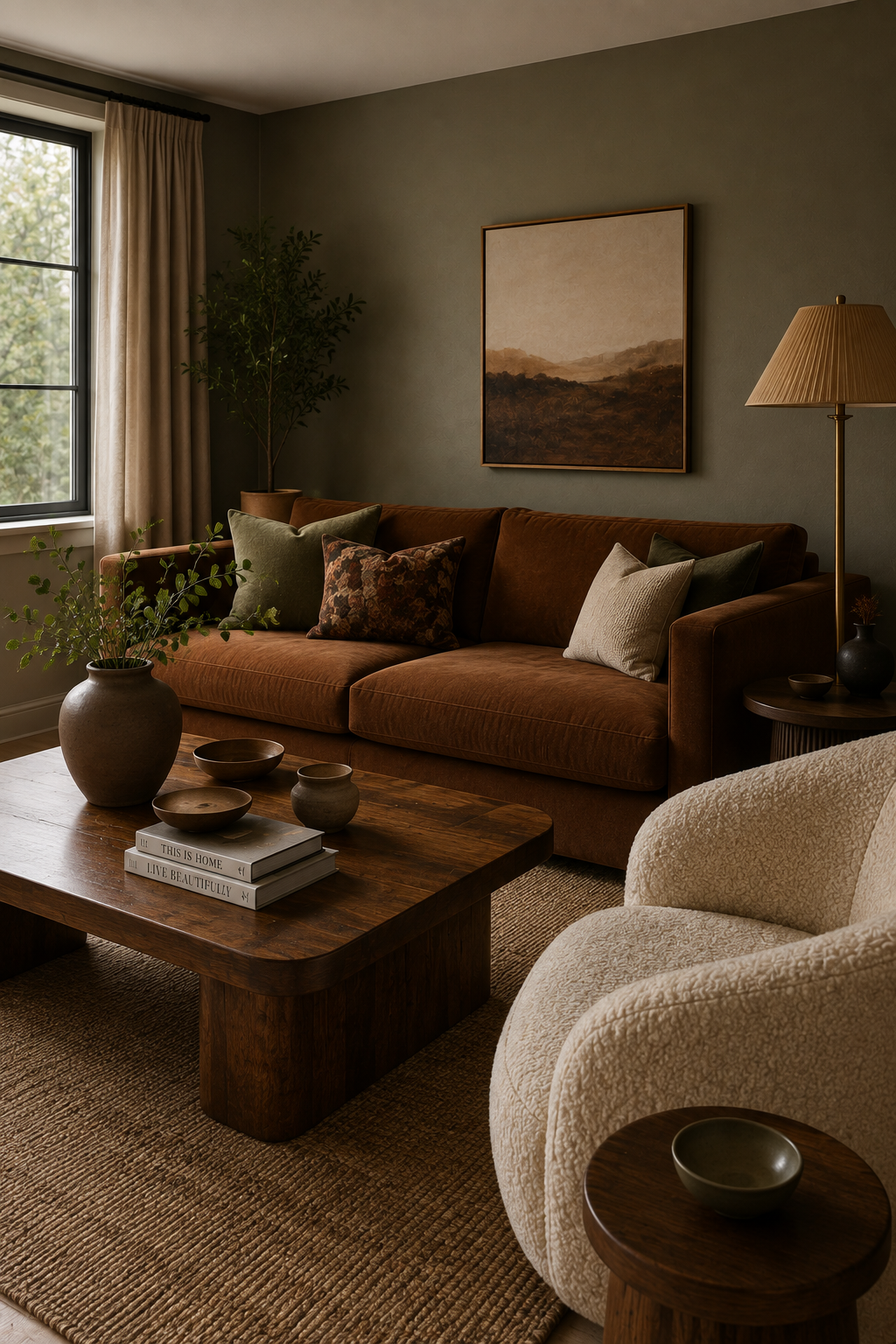
Cool whites and flat gray interiors are giving way to warmer, richer colors.
Chocolate brown, earthy umber, caramel, ochre, burgundy, muted olive, terracotta, and soft rust are appearing throughout living rooms, bedrooms, kitchens, and entryways. Softer shades such as desaturated sky blue and creamy lemon-white are also being used to balance deeper colors.
These tones create a more comfortable and grounded atmosphere while pairing beautifully with natural wood, linen, brass, stone, and vintage furniture. Designers are also becoming more confident with red and wine-inspired shades, using them in rugs, upholstery, lamps, and smaller decorative accents.
You do not need to repaint an entire room. Begin with a warm throw, earthy artwork, ceramic vase, or a few accent pillows. For a stronger effect, paint a small room or reading corner in one enveloping color.
2. Dark Wood and Aged Finishes
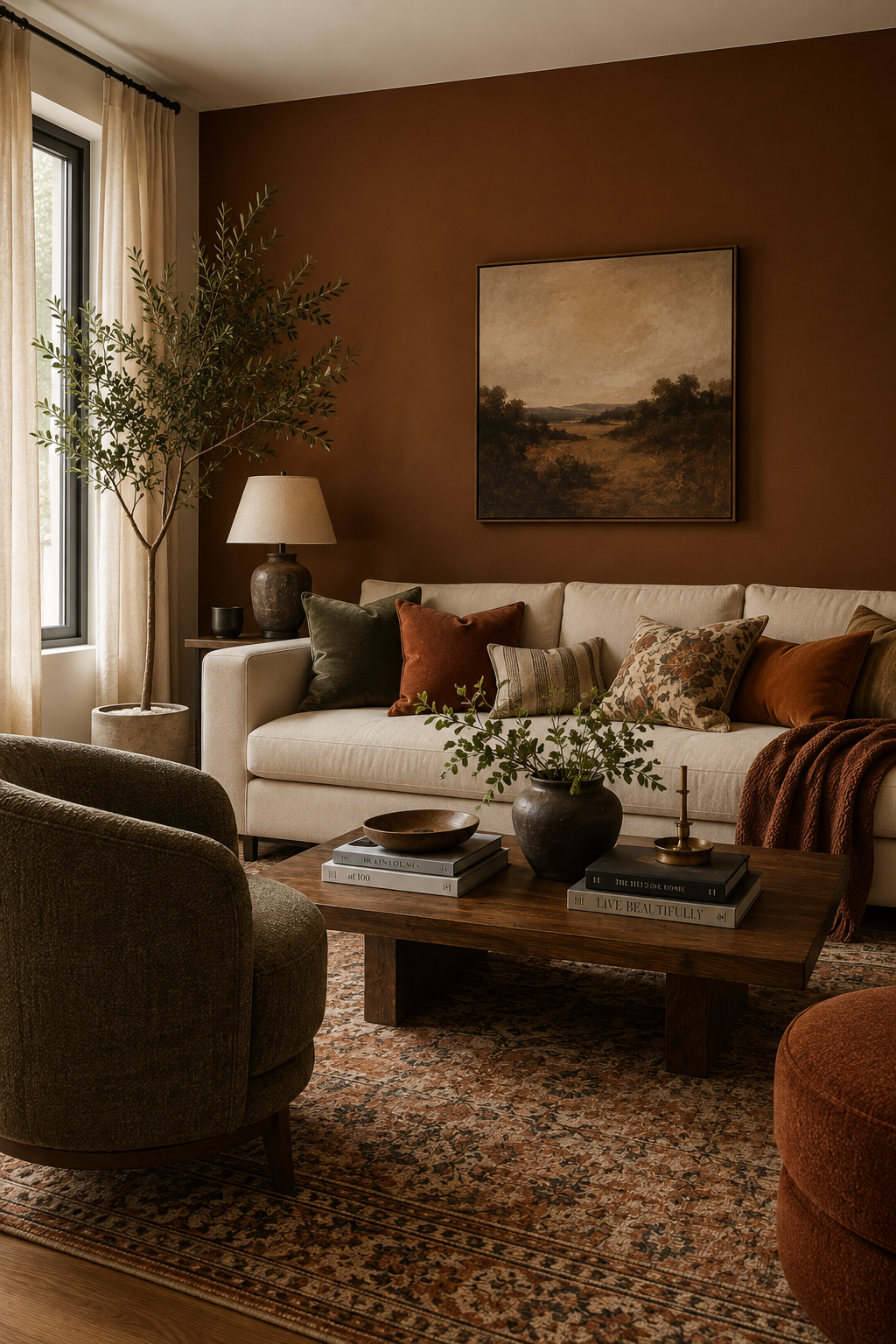
Light oak remains versatile, but darker and more characterful woods are becoming increasingly important.
Walnut, mahogany, cherry, dark-stained oak, and aged elm bring visual weight and warmth into a room. They also help modern interiors feel more established and less like newly assembled showroom spaces.
A dark wood console, vintage cabinet, dining table, or sculptural side table can create contrast against cream walls and light upholstery. Rather than purchasing an entire matching furniture collection, combine several complementary wood tones.
Neo Deco interiors are also contributing to the renewed interest in richer wood, particularly pieces featuring substantial shapes, dramatic grain, and luxurious finishes.
Allow scratches, variation, and visible grain to become part of the design. Furniture does not need to look completely new to feel elegant.
3. Lived-In and Collected Interiors
One of the strongest 2026 home decor trends is the move toward rooms that feel genuinely lived in.
Instead of perfectly staged surfaces and furniture purchased at the same time, interiors are becoming more layered and personal. Books, family objects, travel finds, vintage furniture, artwork, and useful everyday pieces are all becoming part of the decoration.
The goal is not visible clutter. It is creating a room that feels as though it developed naturally over time. Leading design publications describe this shift as a move toward warmer, more soulful interiors that prioritize personality and meaningful pieces over fast-moving trends.
Style a console with a lamp, a small stack of books, and one meaningful object. Mix a new sofa with an antique table or display ceramics collected over several years.
Leave enough open space so that every item can still be appreciated.
4. Curated Maximalism and Layered Patterns
Minimalism is not disappearing, but many homeowners are ready for more color, pattern, and visual interest.
Curated maximalism combines patterned textiles, vintage pieces, bold artwork, sculptural furniture, and decorative accessories in a controlled way. Unlike chaotic maximalism, every element should contribute to a connected palette or story.
Floral curtains, striped pillows, antique-style rugs, block-printed fabrics, and decorative trims can add personality without overwhelming the room. Pattern drenching—repeating coordinated prints across wallpaper, upholstery, lampshades, and smaller accessories—is also influencing 2026 interiors.
Begin with two patterns in different scales. For example, combine a large botanical print with a narrow stripe. Repeat one color across both designs to make the arrangement feel intentional.
5. Natural Wall Treatments and Tactile Surfaces
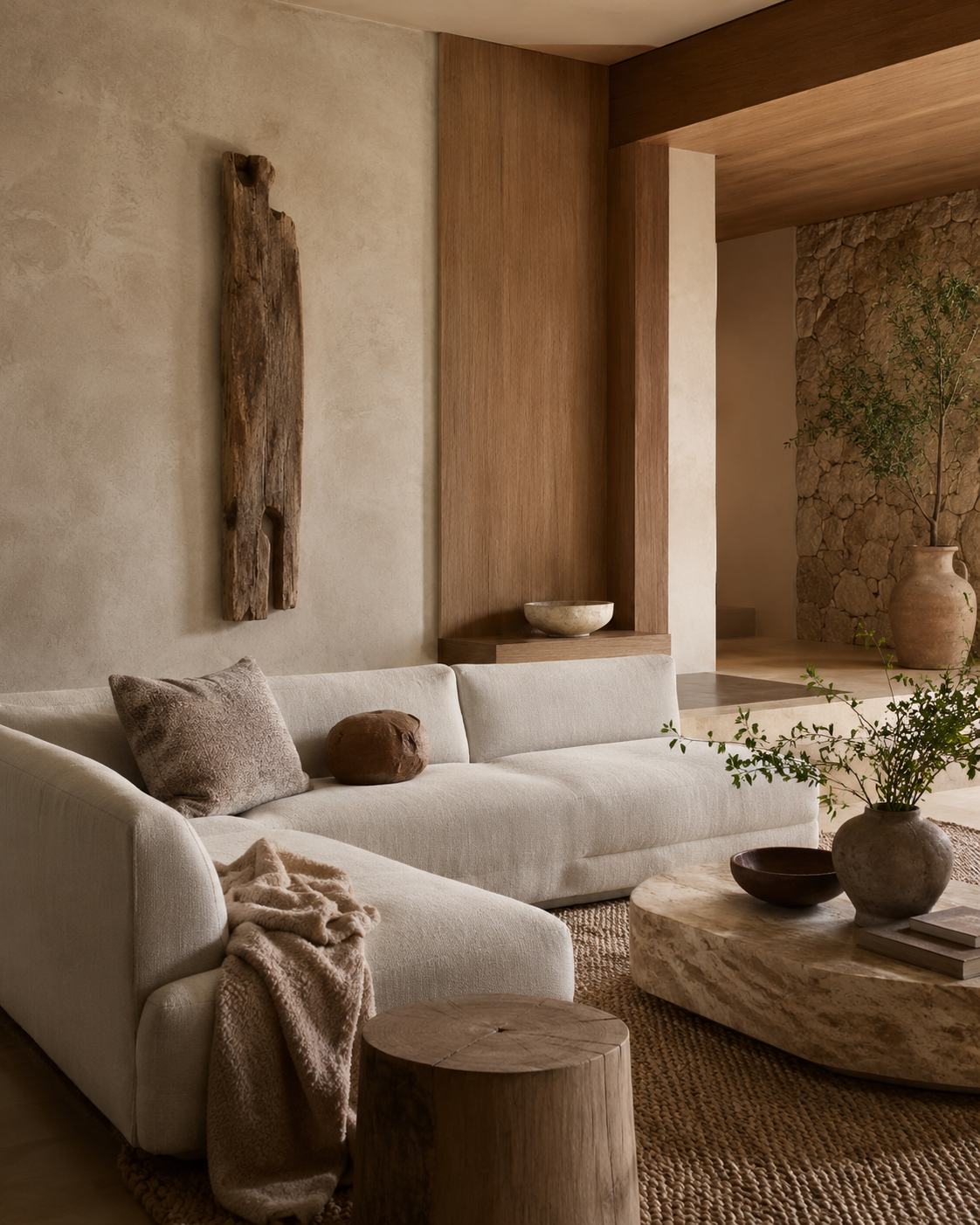
Plain painted walls are being joined by more textured and architectural finishes.
Limewash, plaster, grasscloth wallpaper, raw wood paneling, woven wall coverings, and fabric panels create depth that ordinary flat paint may not provide. Natural surfaces catch light differently throughout the day, giving rooms subtle variation and movement.
Designers are also showing more interest in materials that feel organic and visibly imperfect. Grasscloth, for example, creates changing texture and tonal variation as natural light moves across its fibers.
You can introduce this trend on a single wall, inside a built-in bookcase, or in a small powder room. Picture-frame molding painted in the same shade as the wall is another subtle way to create a more custom appearance.
6. Sculptural Curves and Softer Shapes
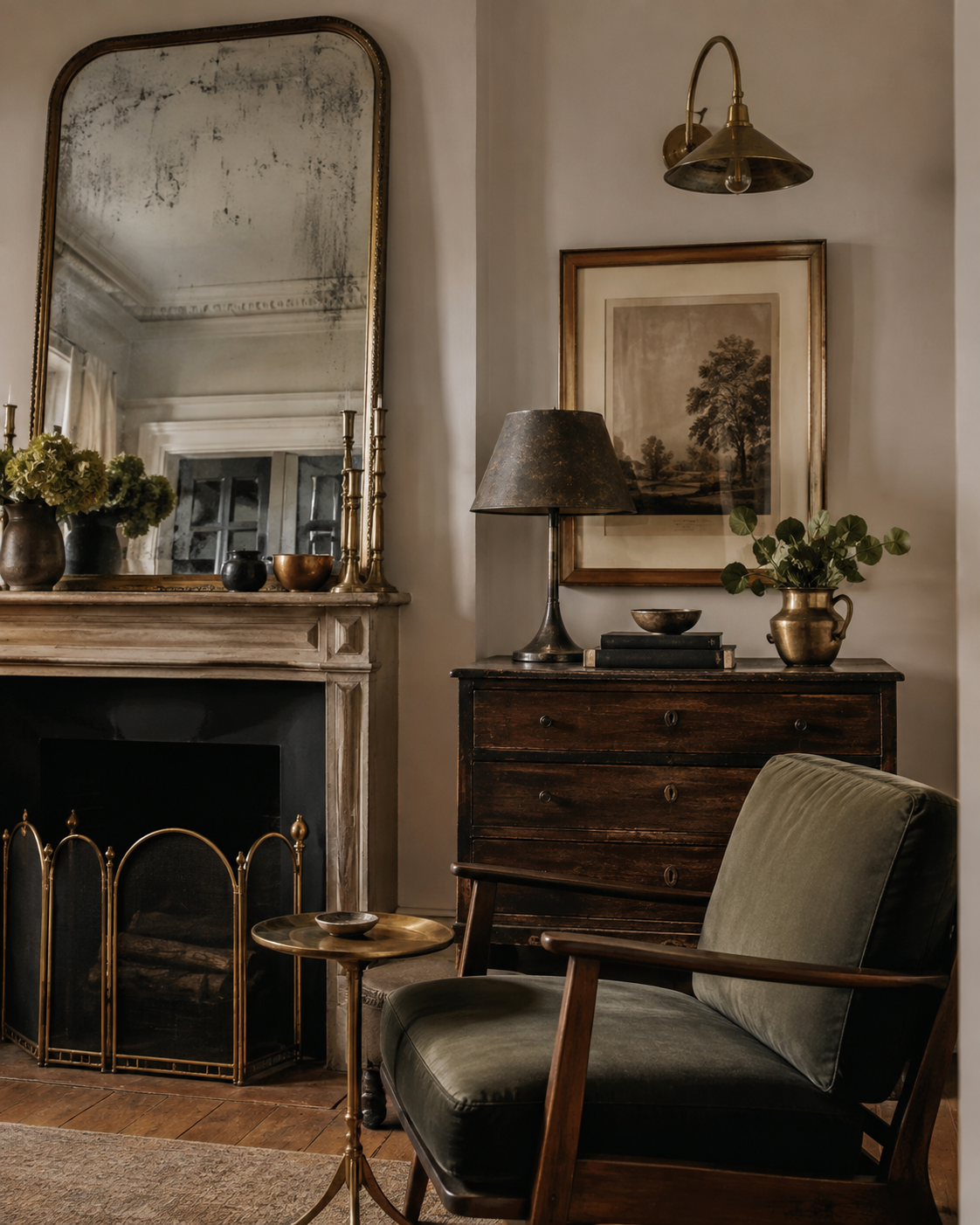
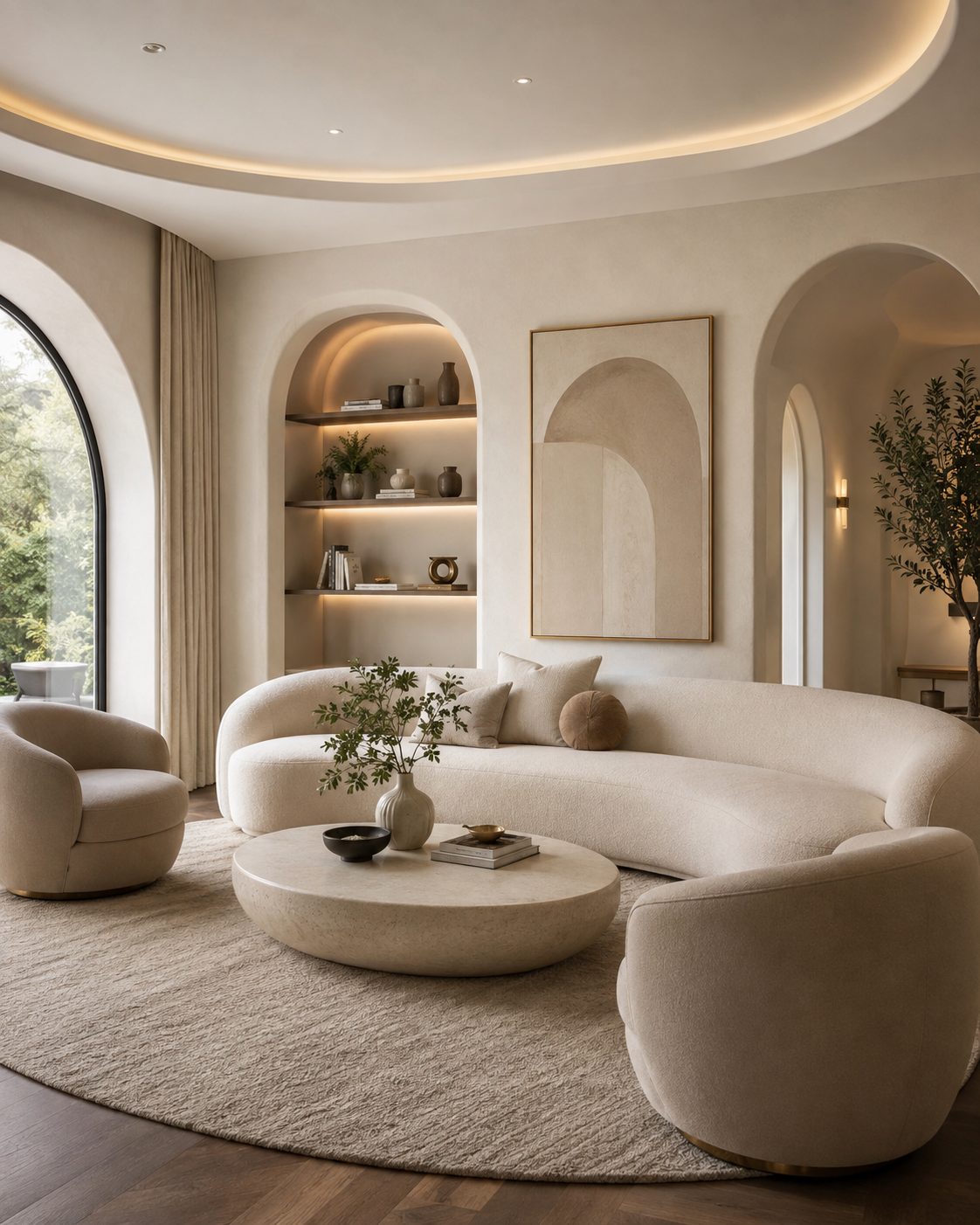
Furniture is becoming softer, rounder, and more sculptural.
Curved sofas, rounded armchairs, oval dining tables, irregular mirrors, wavy cabinetry, and arched architectural details can make a room feel more relaxed and visually fluid.
Rounded seating is especially useful in living rooms because it softens rigid layouts and can improve movement around the furniture. Designers are also applying arches and curved forms to bathroom screens, built-ins, doorways, and decorative accessories.
You do not need to replace every straight piece. One curved chair, round coffee table, or organically shaped mirror can provide enough contrast.
Balance the softer silhouette with structured furniture so the room still feels grounded.
7. Metals and Materials That Develop Patina
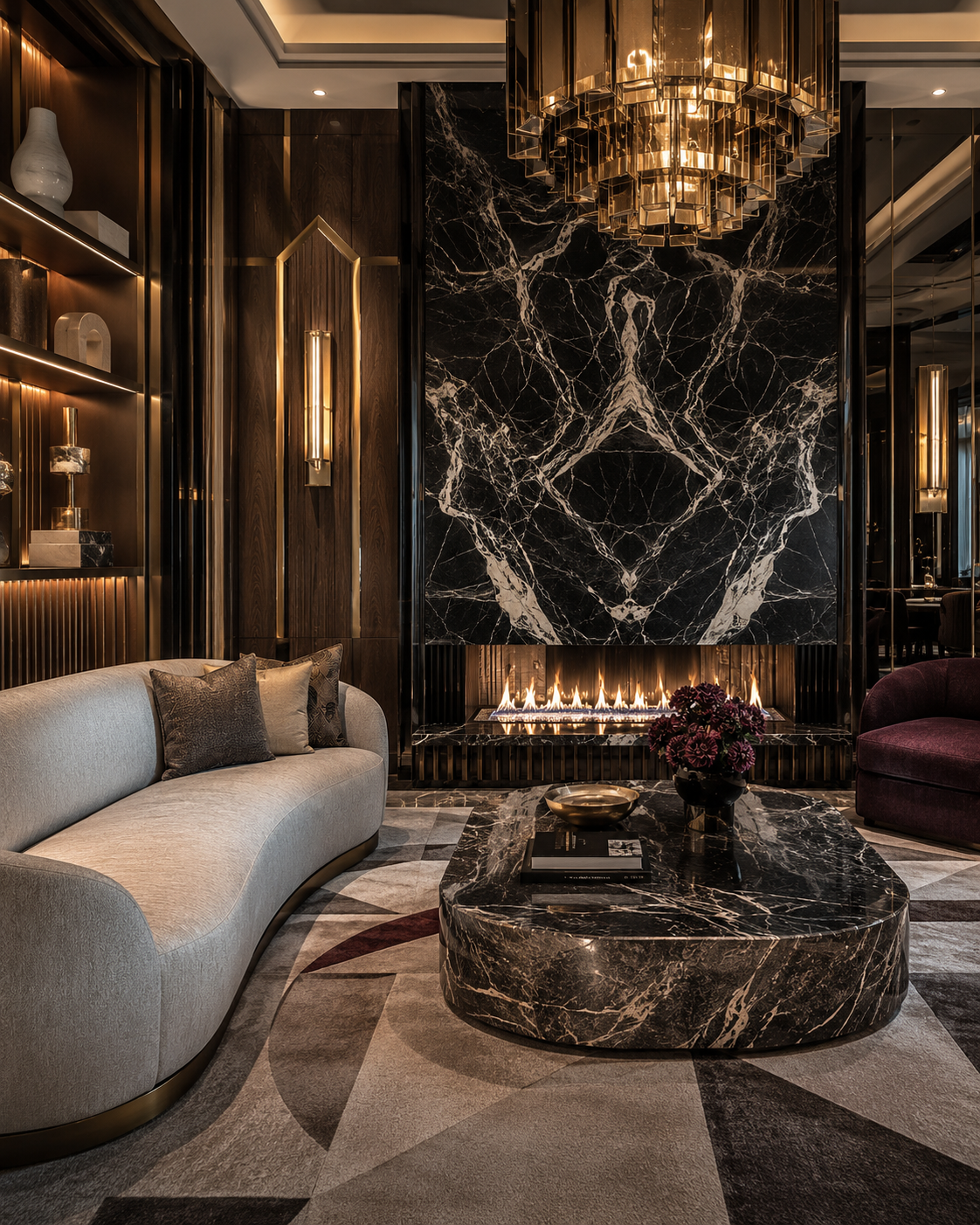
Perfectly polished finishes are becoming less important in 2026.
Unlacquered brass, aged bronze, hand-rubbed metals, unfinished wood, and worn painted furniture are valued because their appearance changes naturally over time. Small marks, color variation, and patina give these materials depth and character.
This trend can be introduced without a major renovation. Replace basic cabinet knobs with aged brass hardware, add a bronze lamp, or choose a vintage mirror with a gently worn frame.
Designers are increasingly embracing materials that age gracefully rather than surfaces intended to look permanently untouched.
Avoid mixing too many metal finishes in one small area. Choose one dominant finish and one subtle secondary accent.
8. Neo Deco Details and Statement Stone
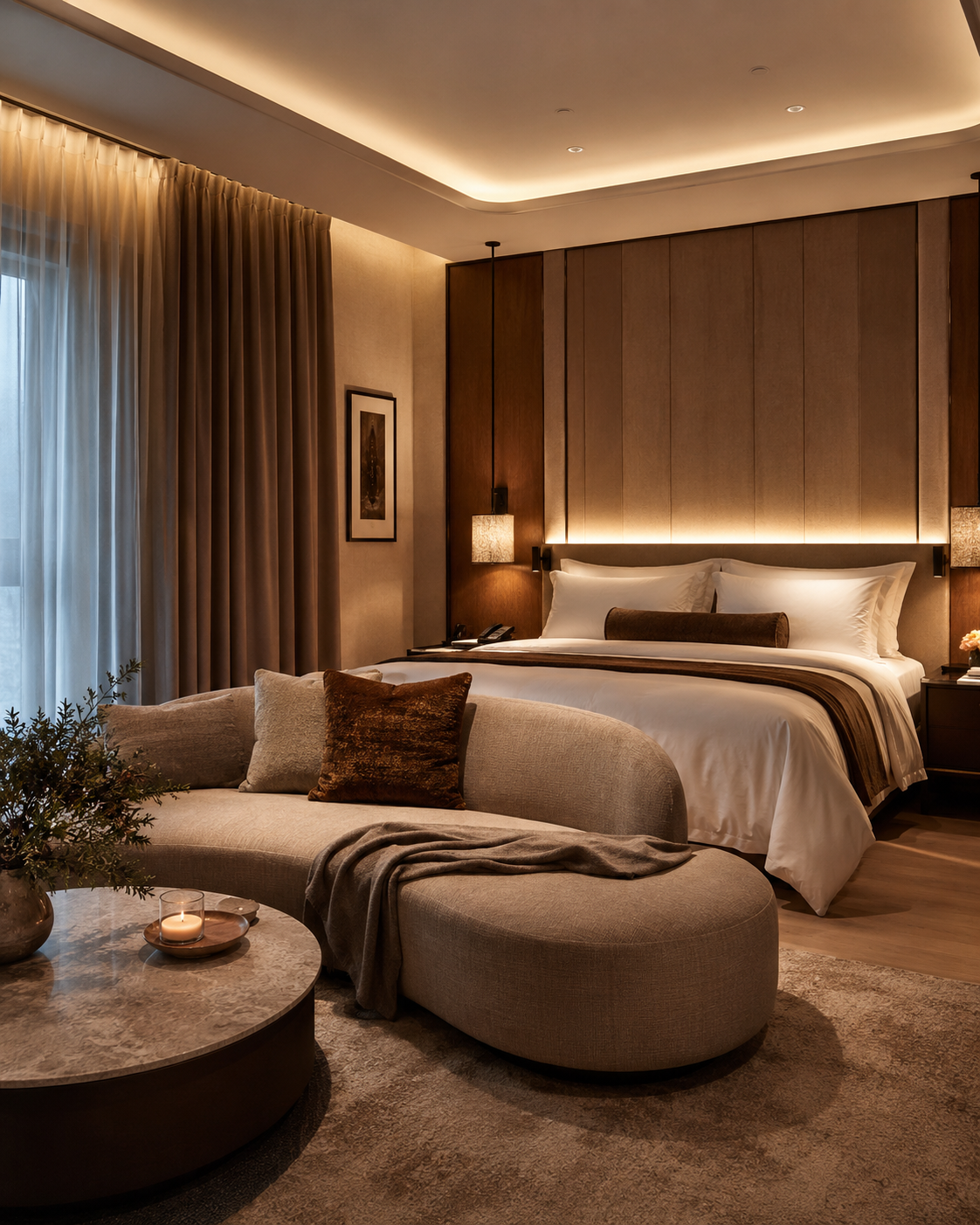
Neo Deco brings the luxury of Art Deco into modern homes in a more relaxed and curated way.
Instead of decorating an entire room around a strict historical style, this trend uses selected elements such as rich wood, sculptural seating, glossy surfaces, geometric lighting, dramatic marble, bar carts, and rounded banquettes.
Colorful stone is also becoming more visible beyond kitchens and bathrooms. Burgundy marble, green stone, heavily veined surfaces, and sculptural stone pieces are appearing in coffee tables, trays, fireplace surrounds, vanities, and decorative accessories.
Use one dramatic material as the focal point. A marble side table, stone tray, or sculptural lamp can introduce the look without making the room feel overly themed.
9. Hospitality-Inspired Comfort
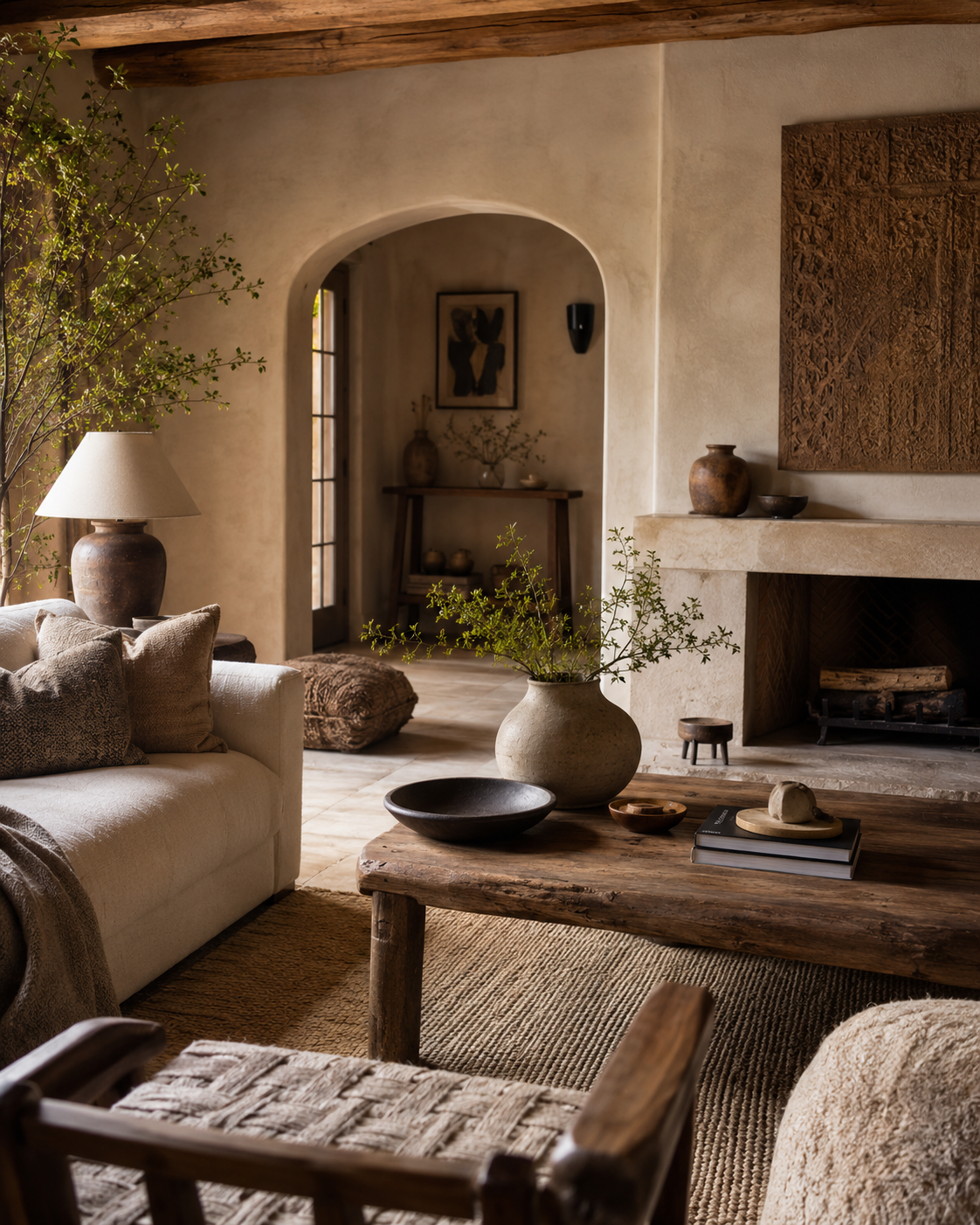
Homes are taking inspiration from boutique hotels, private clubs, and elegant restaurants.
Layered lighting, comfortable seating, upholstered walls, dramatic headboards, small beverage stations, and thoughtfully styled bathrooms can make everyday routines feel more special.
Bedrooms are becoming especially cocoon-like, with enveloping headboards, soft textiles, washed linen, mohair, warm colors, and curved furniture. Residential spaces are also borrowing details from hospitality design to create a greater sense of comfort and occasion.
Create this effect by combining an overhead fixture with table lamps and wall lights. Use soft bedding, full-length curtains, and one substantial upholstered piece.
The objective is not to make the home feel like a commercial hotel. It is to bring the comfort and attention to detail of a well-designed retreat into daily life.
10. Handmade Objects and the Human Touch
Handmade and visibly imperfect pieces are becoming more valuable in increasingly digital homes.
Hand-thrown ceramics, carved wood, forged metal, woven textiles, hand-painted patterns, irregular glass, and original artwork bring individuality to a room. These objects show variation and evidence of the person who made them.
Organic motifs such as vines, waves, shells, braids, and hand-drawn lines are also appearing across lighting, textiles, wallpaper, and decorative accessories. The imperfections are part of the appeal because they help a room feel more personal and less mass-produced.
You do not need a large collection of artisanal objects. One unusual ceramic lamp, handmade bowl, or carved wood accessory can give a simple surface more character.
How to Use 2026 Home Decor Trends Without Dating Your Home
You do not need to apply all 10 trends in one space.
Start with durable foundation pieces such as a comfortable sofa, well-made table, practical storage, and effective lighting. These items should suit the size of the room and the way you actually live.
Introduce stronger trends through paint, pillows, curtains, rugs, artwork, lamps, and decorative accessories. These details can be updated more easily in the future.
Natural wood, stone, linen, wool, ceramic, and aged metals usually work across several decorating styles. They can make a home feel current without depending on one temporary aesthetic.
Choose trends that complement your existing furniture instead of replacing everything at once.
Home Decor Mistakes to Avoid in 2026
Avoid purchasing complete matching furniture sets. Rooms generally feel more personal when furniture varies slightly in age, material, or finish.
Do not add many small decorative pieces only to fill empty surfaces. A few larger objects often create a stronger and more elegant result.
Avoid following a trend that does not support your lifestyle. A delicate fabric may not be practical in a home with children or pets, while an overcrowded maximalist arrangement may become difficult to maintain.
Do not remove every neutral shade from the room. Warm neutrals provide a useful foundation for richer colors, patterns, and natural materials.
Most importantly, avoid decorating only for social media. A beautiful room should still feel comfortable, practical, and connected to the people living in it.
Final Thoughts
The biggest 2026 home decor trends focus on warmth, individuality, comfort, and materials that tell a story.
Earthy colors, dark wood, collected interiors, layered patterns, natural wall finishes, curved furniture, aged metals, Neo Deco details, hospitality-inspired comfort, and handmade objects are helping homes feel richer and more personal.
You do not need a complete renovation to embrace these ideas. Begin with one room and introduce a few thoughtful changes that complement what you already own.
A home feels most stylish when it reflects your personality, supports your daily life, and becomes more beautiful over time.


