
 Salud al Limite

Curtains are becoming an important design feature again in 2026.
For several years, many homes relied on simple white panels, basic blinds, or nearly invisible window treatments. Now, curtains are being used to add color, texture, softness, privacy, and personality to a room.
The newest styles do not feel heavy or old-fashioned. Instead, they combine practical function with elegant details that help windows look more polished and intentional.
Layered fabrics, textured sheers, nature-inspired patterns, richer colors, and decorative finishes are making curtains feel like part of the overall design rather than an afterthought.
Whether you are updating a living room, bedroom, dining room, kitchen, or home office, these seven viral curtain trends for 2026 can completely transform the appearance of your space.
1. Layered Curtains for a Luxury Look
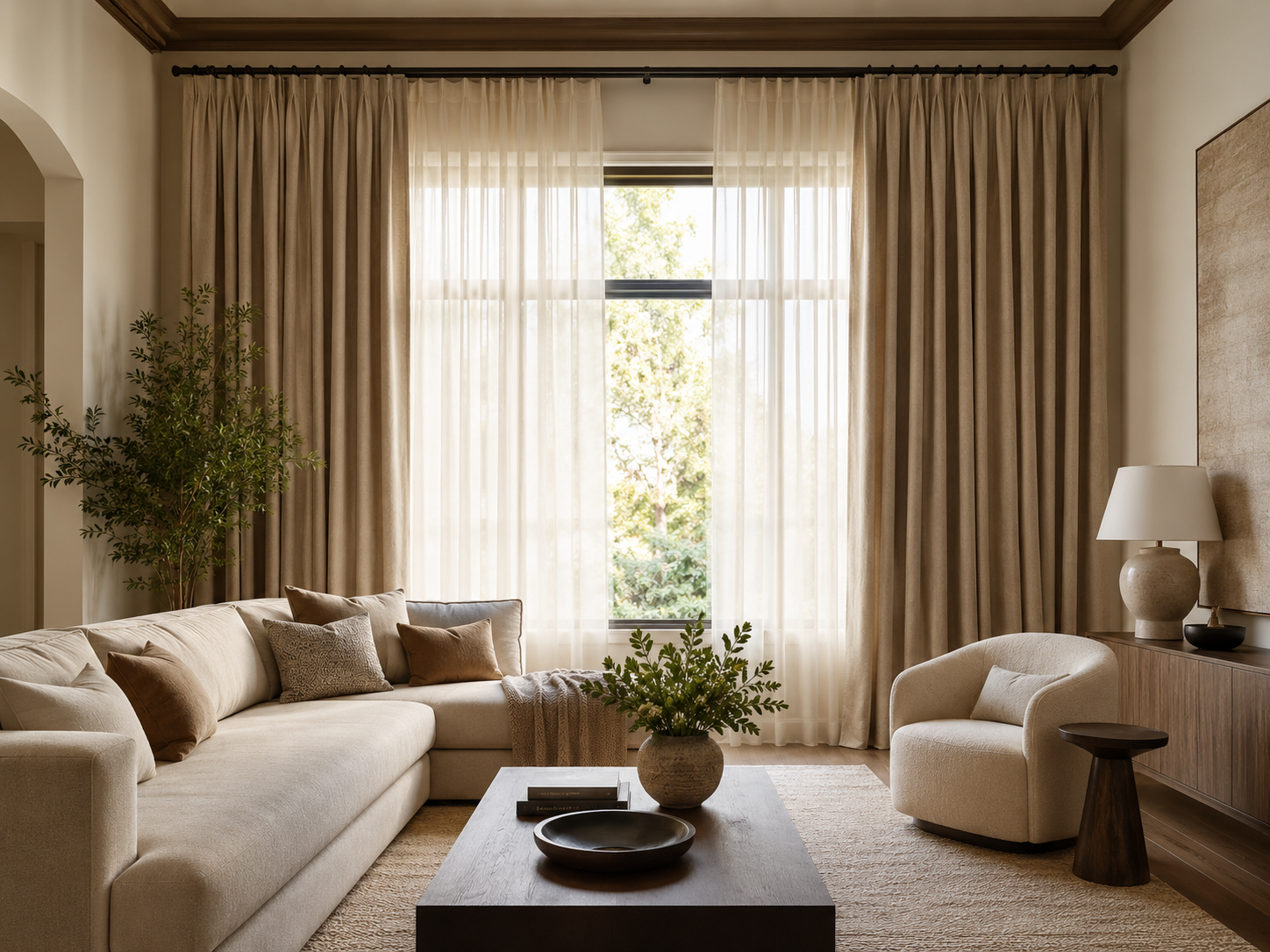
Layered window treatments are one of the most elegant curtain trends for 2026.
This style usually combines a lightweight sheer curtain with heavier decorative or blackout panels. The sheer fabric filters sunlight during the day, while the outer curtains provide privacy and better light control when needed.
The combination also adds depth around the window. A plain room can instantly feel softer, warmer, and more complete when two different fabrics are layered together.
For a refined look, place the sheers closest to the glass and hang the heavier curtains on a second rod or ceiling-mounted track. Soft ivory, oatmeal, beige, and warm white are versatile choices for the sheer layer.
The outer panels can be made from linen-look fabric, cotton, velvet, or a lined woven material. In bedrooms, blackout lining provides additional privacy and creates a darker sleeping environment.
You can also combine full-length curtains with woven Roman shades. This adds natural texture while maintaining a clean and modern appearance.
Hang the treatments close to the ceiling and extend them beyond both sides of the window. This allows more light to enter when the curtains are open and can make the walls appear taller.
2. Botanical and Nature-Inspired Patterns
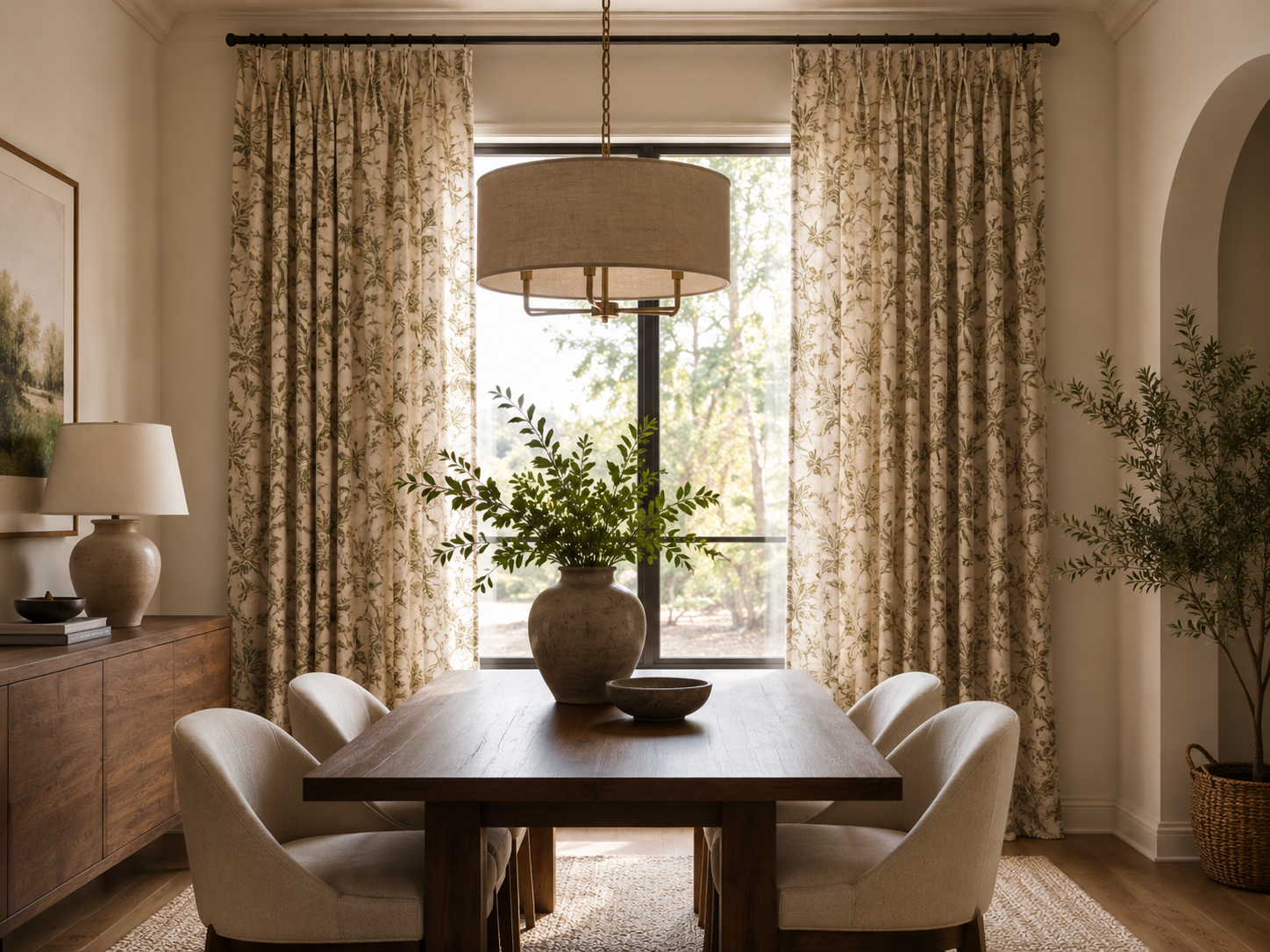
Patterned curtains are returning, but the newest designs feel softer and more sophisticated than the bold prints of the past.
Botanical branches, delicate flowers, climbing vines, leaves, and subtle landscape-inspired patterns can add personality without overwhelming the room.
Muted green, dusty blue, warm brown, terracotta, burgundy, and soft beige work especially well in 2026 interiors. These colors feel natural and complement wood furniture, stone accents, neutral upholstery, and warm metal finishes.
Botanical curtains are ideal for dining rooms, bedrooms, traditional living rooms, and cozy reading spaces. They can bring interest to plain walls without requiring a major renovation.
Choose a print that contains at least one color already used elsewhere in the room. For example, a curtain with small olive-green leaves can connect with a green chair, decorative pillow, or piece of artwork.
When the curtains feature a noticeable print, keep the surrounding decor relatively simple. Too many competing patterns can make a compact room feel busy.
A softly patterned curtain should add character while still allowing the room to feel calm and balanced.
3. Textured Statement Sheers
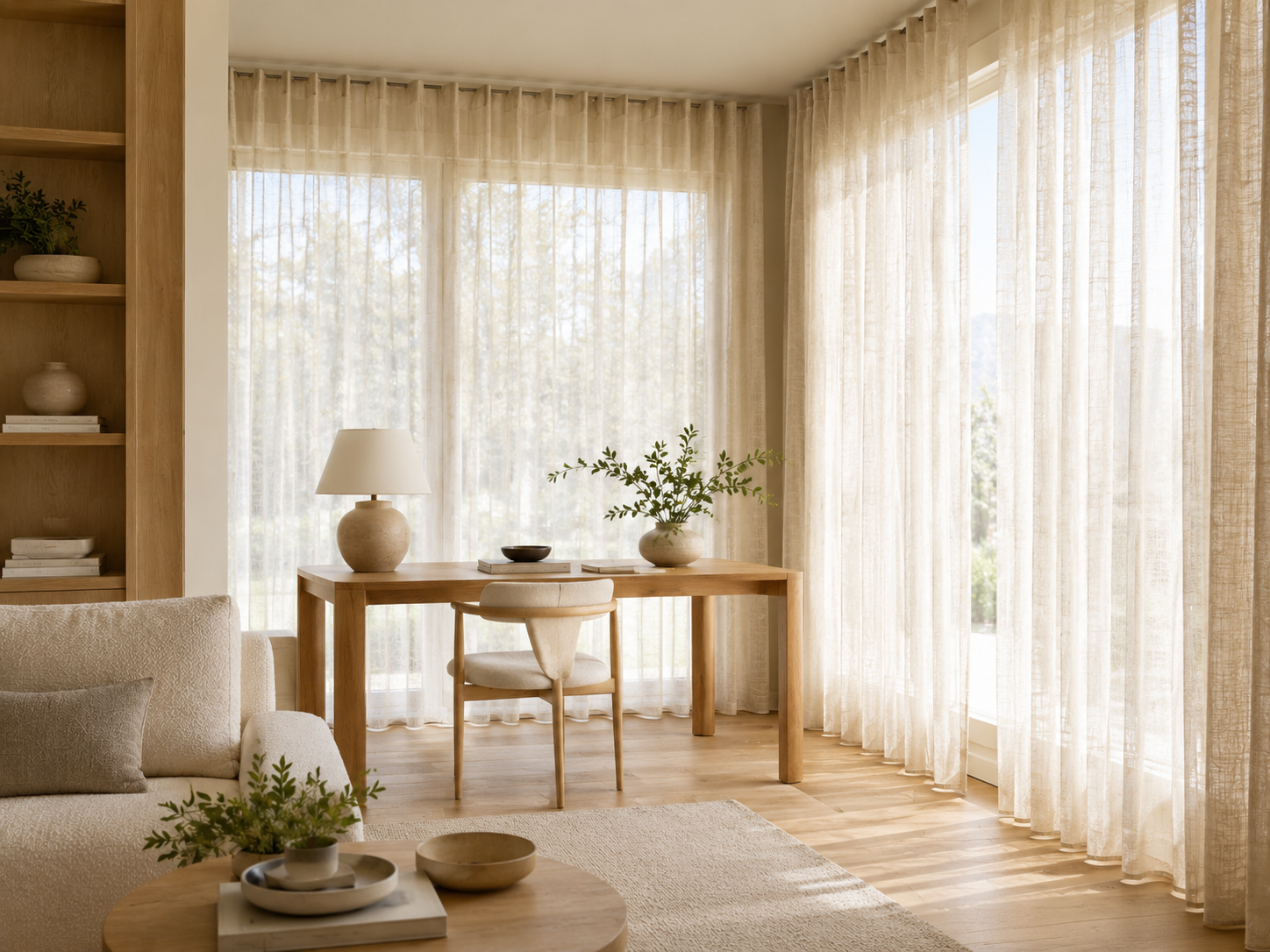
Sheer curtains are no longer limited to thin, plain white fabric.
In 2026, sheers are becoming decorative features through visible weaving, subtle stripes, embroidered details, soft patterns, and warmer colors.
Ivory, oatmeal, pale taupe, muted blush, and soft gray can feel more inviting than bright white. These shades work beautifully with natural wood, warm neutral walls, linen furniture, and stone accessories.
Textured sheers are especially useful in living rooms, dining rooms, and home offices where natural light is important but some privacy is still needed.
Use enough fabric to create generous folds. Panels that look stretched or nearly flat across the window may appear unfinished.
For a relaxed result, allow the fabric to lightly touch the floor. For a more tailored look, hem it just above the flooring.
Textured sheers can also be layered behind blackout curtains in a bedroom. During the day, the heavier panels can remain open while the sheer layer filters the light and softens the view.
This trend is perfect for anyone who wants a light and airy room without using completely plain window treatments.
4. Modern Pelmets and Updated Valances
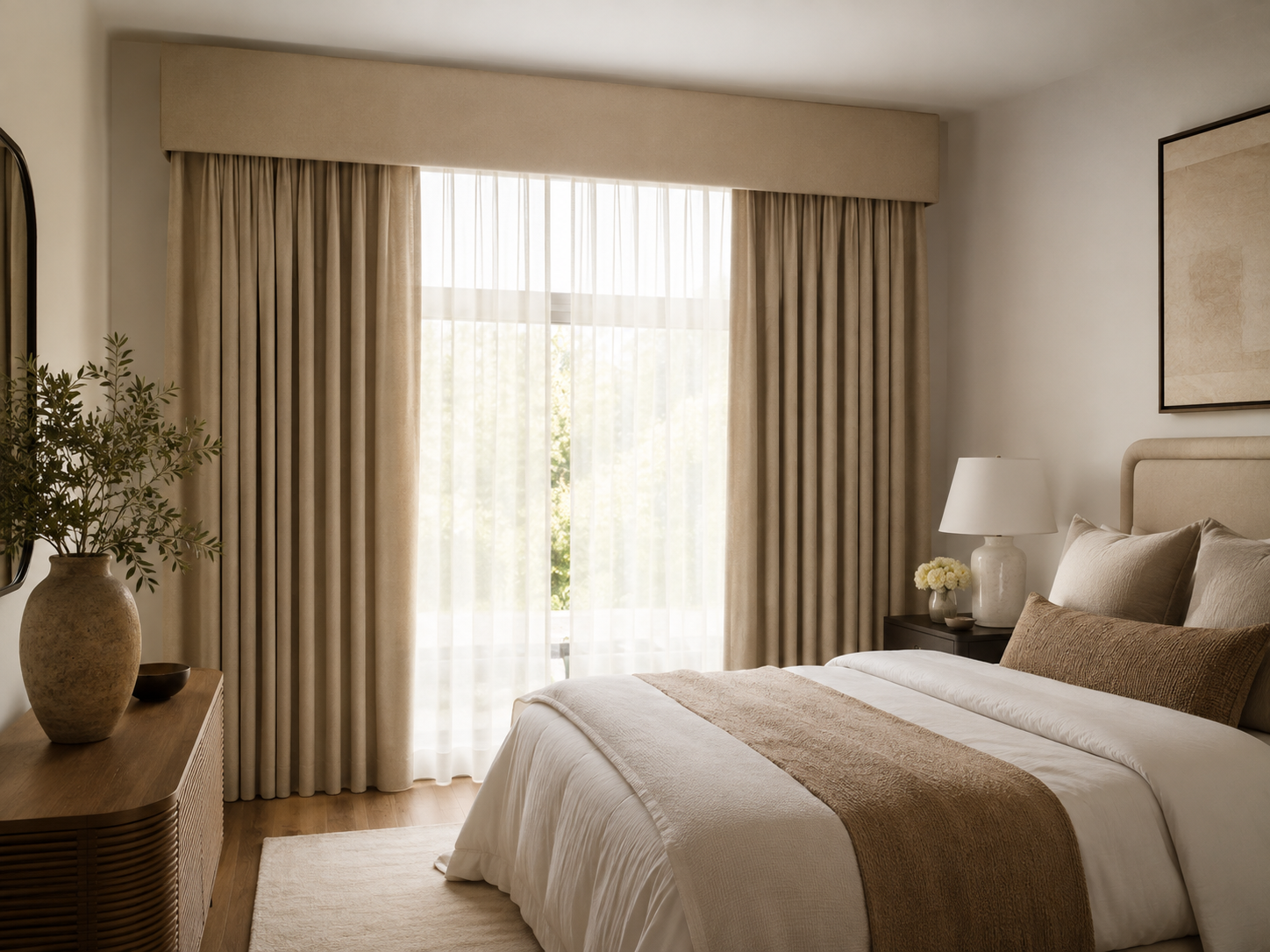
Pelmets and valances are making a comeback, but the 2026 versions are cleaner and more architectural.
These treatments cover the upper part of the window and conceal curtain rods, tracks, and hardware. They can make a window feel taller and give the entire installation a more custom appearance.
Modern pelmets are often straight, lightly upholstered, and covered in the same fabric as the curtains. This creates a seamless, built-in effect.
In traditional or romantic interiors, softly shaped valances, small pleats, and gentle ruffles can add charm without looking overly formal.
The proportions are important. A pelmet that extends too far down can block natural light and make the window appear smaller. Install it high enough to hide the hardware while leaving most of the glass visible.
For a contemporary room, choose a simple rectangular design in a solid fabric. In a bedroom or cottage-inspired space, a subtle pattern or softly gathered valance may feel more appropriate.
This trend is especially useful when the existing curtain hardware is unattractive or difficult to conceal.
5. Richly Colored and Color-Blocked Curtains
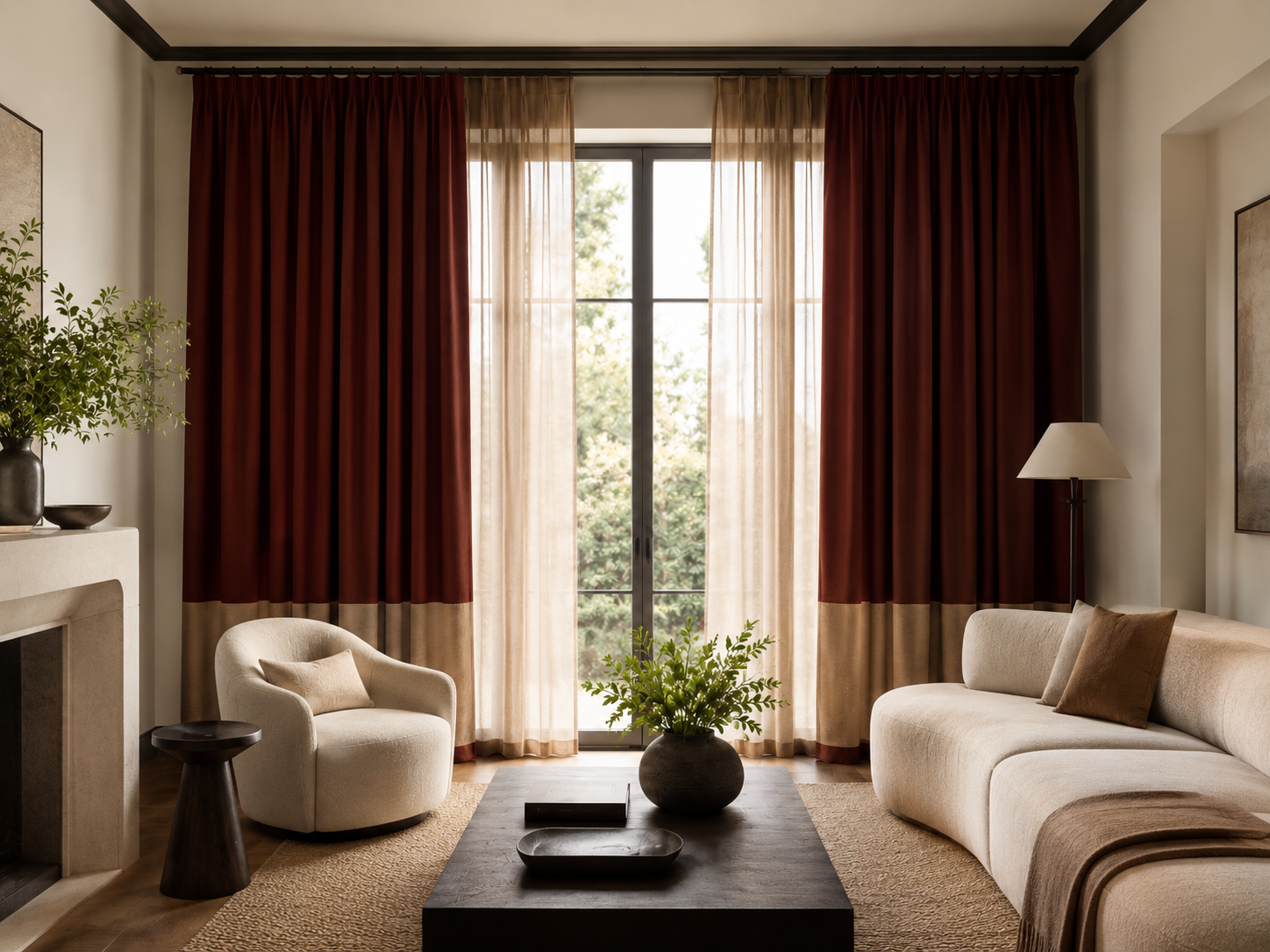
Curtains are becoming an easy way to introduce stronger color into a room.
Instead of disappearing into the walls, many 2026 window treatments use earthy green, terracotta, chocolate brown, burgundy, smoky blue, mustard, or muted plum.
These shades add depth and warmth without requiring you to replace the furniture or repaint the entire room.
Color blocking is another stylish option. Curtains may include a contrasting edge, a darker lower section, or two coordinating shades used across separate panels.
A cream curtain with a chocolate-brown border can look more customized than a completely plain panel. Muted green curtains can bring life to a neutral living room, while deep burgundy can create a dramatic and intimate dining space.
Before choosing a strong color, observe the fabric in both natural and artificial light. The same shade can look very different throughout the day.
Repeat the curtain color in only a few smaller details, such as a pillow, vase, artwork, or rug. This helps the room feel connected without looking overly matched.
6. Decorative Trims and Contrast Details
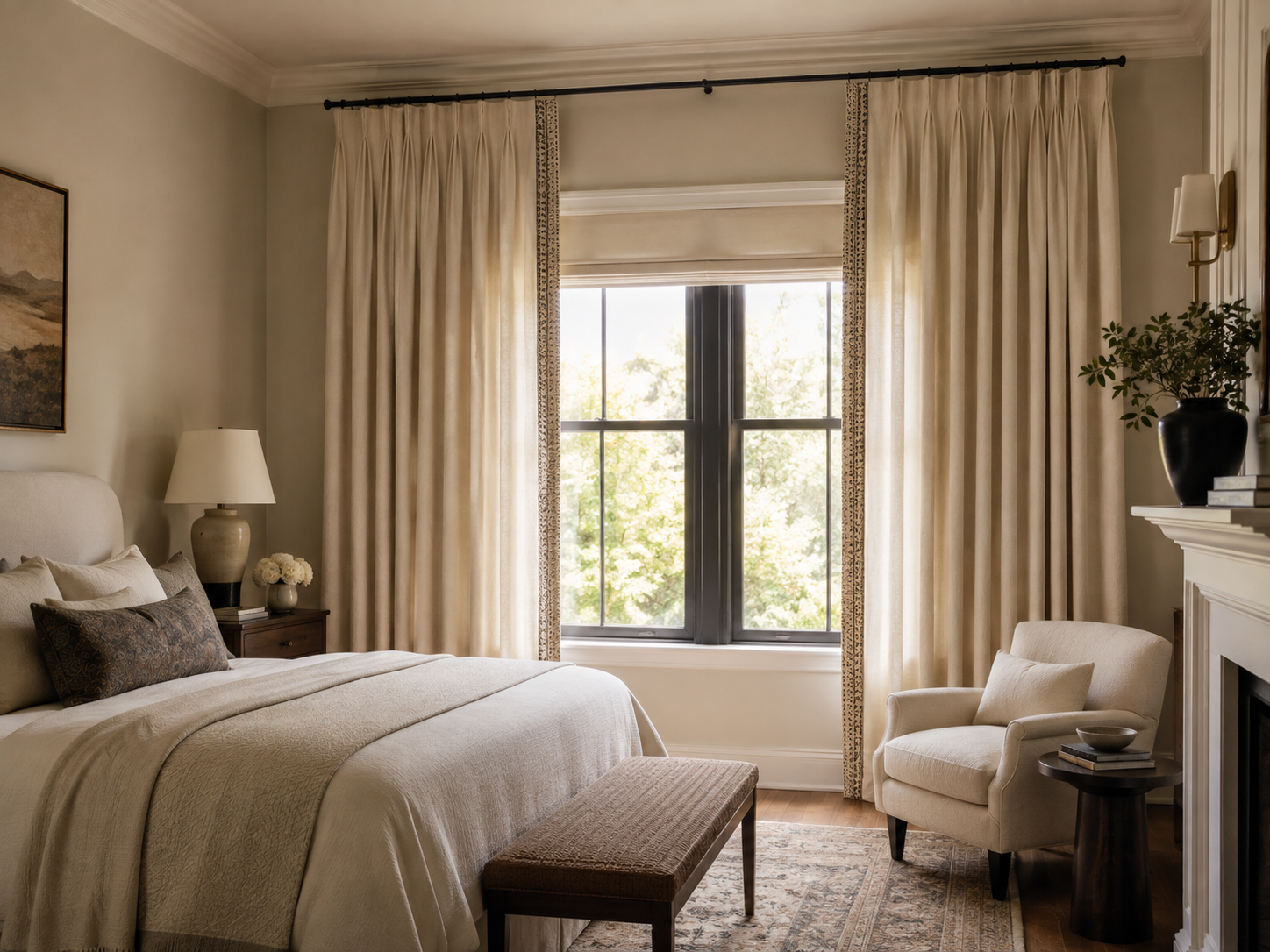
Small decorative details can make basic curtains look more expensive.
Borders, piping, ribbon, tassels, fringe, embroidered edges, and contrast linings are being used to create a more customized appearance.
A narrow velvet trim can add depth to neutral linen panels. A patterned border along the inside edge becomes visible when the curtains are open and introduces color in a subtle way.
Contrast lining is another elegant detail. Instead of using plain white fabric on the back, the curtain can feature a coordinating color or delicate print that appears when the panel moves or is tied back.
The decoration should remain proportional to the window. Wide borders work best on tall, full-length curtains, while narrow trims are more appropriate for smaller rooms.
Avoid combining too many decorative elements on one panel. A colored border, fringe, patterned lining, and tassels used together may make the curtains feel overly busy.
Choose one main detail and allow it to become the feature.
7. Café Curtains and Fabric Door Treatments
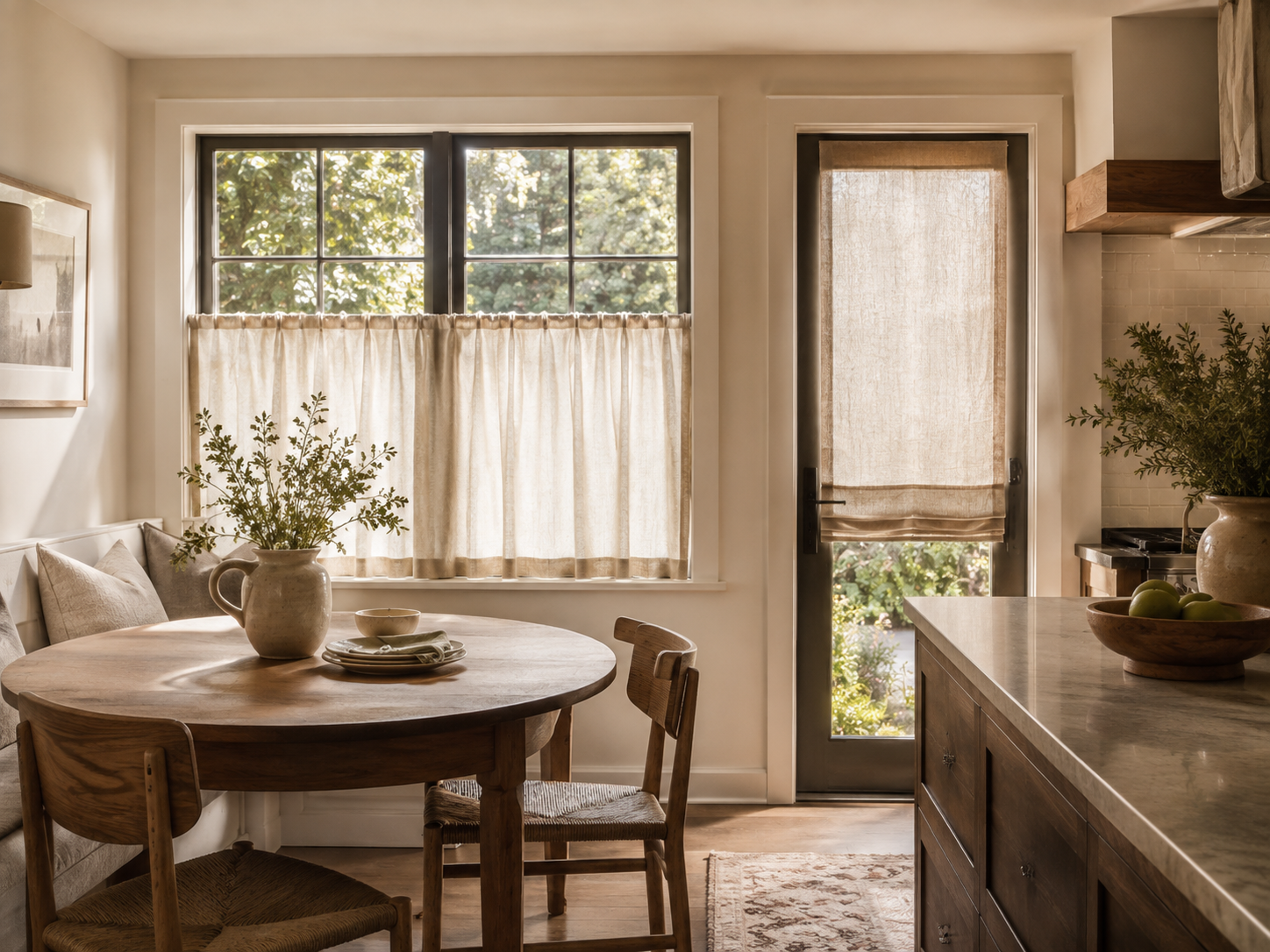
Café curtains are becoming especially popular in kitchens, bathrooms, breakfast areas, and small rooms.
These curtains cover only the lower part of the window, providing privacy while allowing light to enter through the upper glass.
Linen, cotton, soft stripes, tiny checks, and delicate floral prints work beautifully for this style. Install the curtain inside the window frame for a clean and tailored appearance.
Café curtains can make a kitchen feel warmer without blocking the outdoor view. They are also useful in bathrooms where privacy is needed but natural light remains important.
Fabric door treatments are returning as well. A curtain placed over a glass door can provide privacy, reduce glare, and add softness to a space filled with hard surfaces.
Fabric panels can also be used across open doorways, pantry entrances, or utility areas when a traditional door is not practical.
For a polished result, choose small rings, pinch pleats, or neat gathers rather than placing excessive fabric on a basic rod.
How to Make Curtains Look More Expensive
The way curtains are installed can be just as important as the material.
Hang the rod closer to the ceiling instead of placing it directly above the window frame. This visually stretches the walls and makes the room feel taller.
Extend the rod beyond both sides of the window. When the panels are open, most of the fabric should rest beside the glass rather than covering it.
Use enough fabric to create full folds. Curtains that barely cover the width of the window often look thin and unfinished.
Choose panels that reach the floor. Curtains that stop several inches above it can make the walls appear shorter.
Lining can also improve the way curtains hang while adding privacy, insulation, and light control.
Finally, steam or press the fabric before styling it. Even beautiful curtains can look inexpensive when they are heavily wrinkled.
Curtain Mistakes to Avoid in 2026
Avoid curtains that are too short, too narrow, or installed directly against the window frame without considering the proportions of the room.
Do not choose a fabric based only on its appearance. Bedrooms may need blackout lining, while kitchens and bathrooms require materials that can tolerate moisture and regular cleaning.
Using too many decorative features can make the curtains look cluttered. Select one main element, such as color, pattern, texture, or trim.
Avoid cold, bright-white fabric when the room contains cream walls, warm wood, beige upholstery, or brass details. Ivory or oatmeal will usually create a more harmonious result.
Do not forget how the curtains will look when open. They should frame the window without blocking too much natural light.
Most importantly, do not treat window treatments as a last-minute addition. Curtains occupy a large visual area and should connect naturally with the walls, furniture, rug, artwork, and lighting.
Final Thoughts
The curtain trends taking over in 2026 focus on softness, personality, craftsmanship, and practical comfort.
Layered drapes, botanical patterns, textured sheers, modern pelmets, rich colors, decorative trims, and café curtains are helping windows become an important part of interior design.
You do not need to combine every trend in one room. Begin by deciding how much privacy, light control, and insulation the space requires.
Then choose a fabric, color, and installation style that complements the rest of the interior.
With the right proportions and thoughtful details, curtains can make a room feel taller, warmer, more elegant, and beautifully complete.


