
 Salud al Limite

Creating a beautiful home is not always about spending more money. In many cases, the difference between a room that looks elegant and one that feels unfinished comes down to a few decorating decisions.
Even expensive furniture can look cheap when the room lacks balance, proper proportions, or a cohesive color palette. At the same time, affordable pieces can look stylish and sophisticated when they are chosen and arranged carefully.
The good news is that most decorating mistakes are easy to correct. Small changes to your curtains, lighting, furniture placement, rugs, and accessories can completely transform the way your home looks.
Here are eight common decor mistakes that make a home look cheap, along with simple ways to create a more polished and expensive-looking space.
1. Using Curtains That Are Too Short
Curtains have a major effect on the overall appearance of a room. One of the most common decorating mistakes is using panels that stop several inches above the floor.
Short curtains can make the walls appear smaller and the room feel unfinished. They may also draw attention to low ceilings or awkward window proportions.
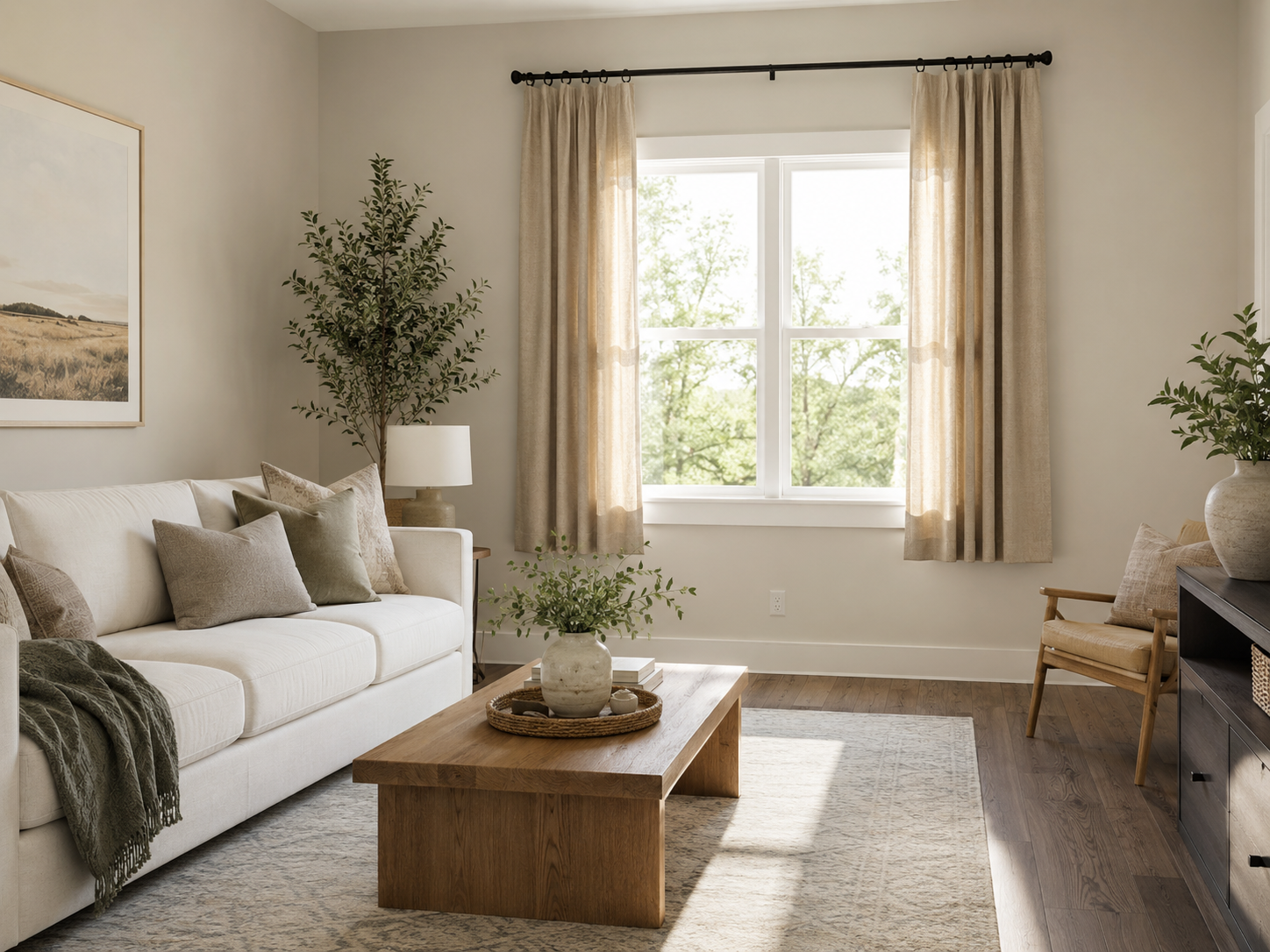
For a more luxurious appearance, hang the curtain rod several inches above the window frame or close to the ceiling. Choose panels that reach the floor or lightly touch it.
Floor-length curtains create the illusion of taller ceilings and larger windows. Linen-look fabrics, cotton blends, and softly textured panels can look elegant without being expensive.
Neutral colors such as ivory, beige, warm gray, and taupe are easy to combine with different interior styles.
2. Choosing a Rug That Is Too Small
A small rug can make furniture look disconnected and cause the entire room to feel less intentional.
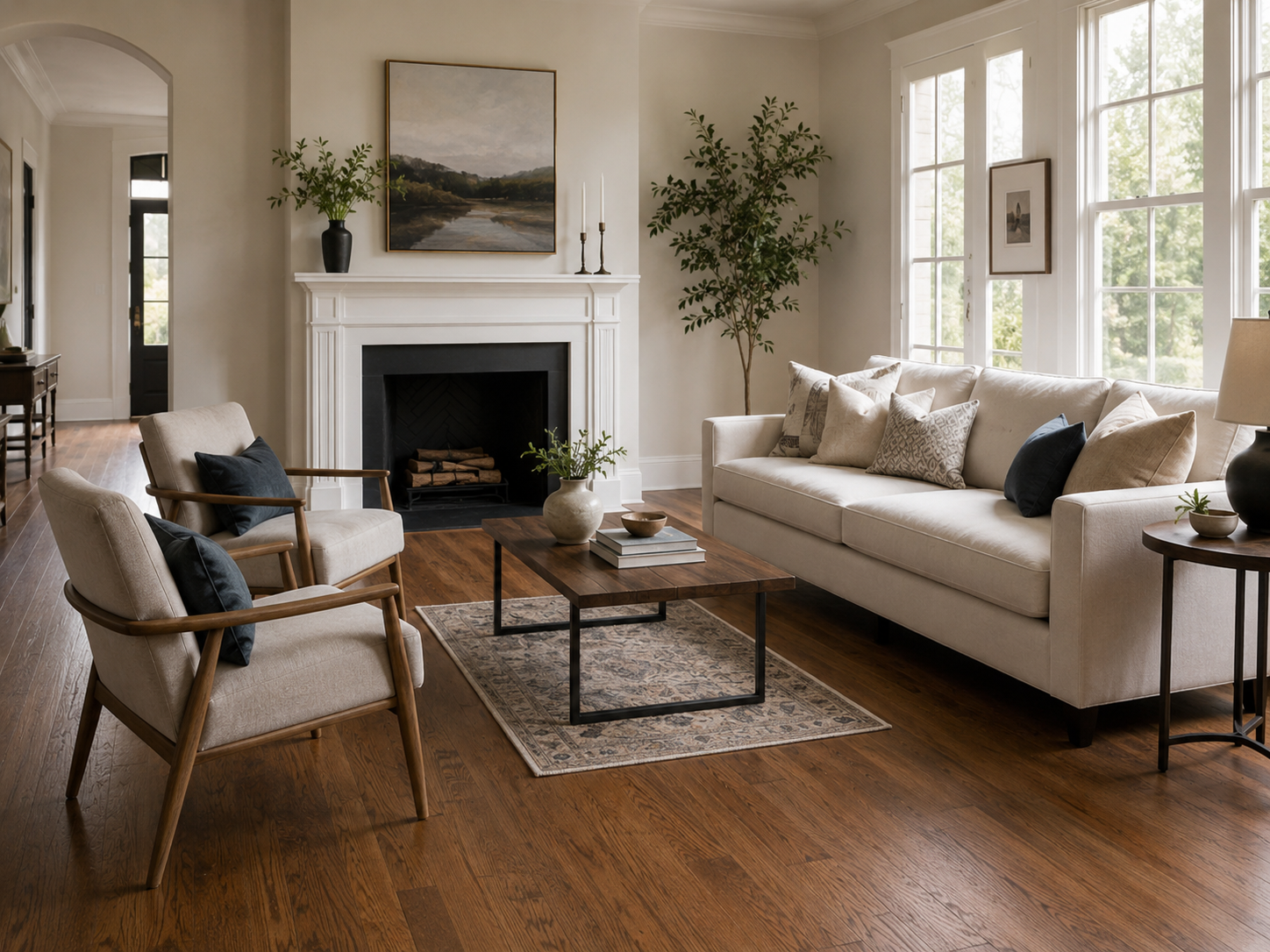
In a living room, the rug should be large enough to connect the main seating pieces. Ideally, the front legs of the sofa and chairs should sit on the rug. In some layouts, all the furniture legs can rest on it.
When a tiny rug sits alone beneath a coffee table, it divides the room visually and makes the seating area appear smaller.
A properly sized rug gives the space structure and makes the furniture arrangement look more complete. It also adds comfort, texture, and warmth.
Before purchasing a rug, measure the room and use painter’s tape to outline the size on the floor. This simple step can help you understand how the rug will fit with the furniture.
3. Displaying Too Many Small Accessories
Decorative accessories add personality, but using too many small objects can quickly make a room look cluttered.
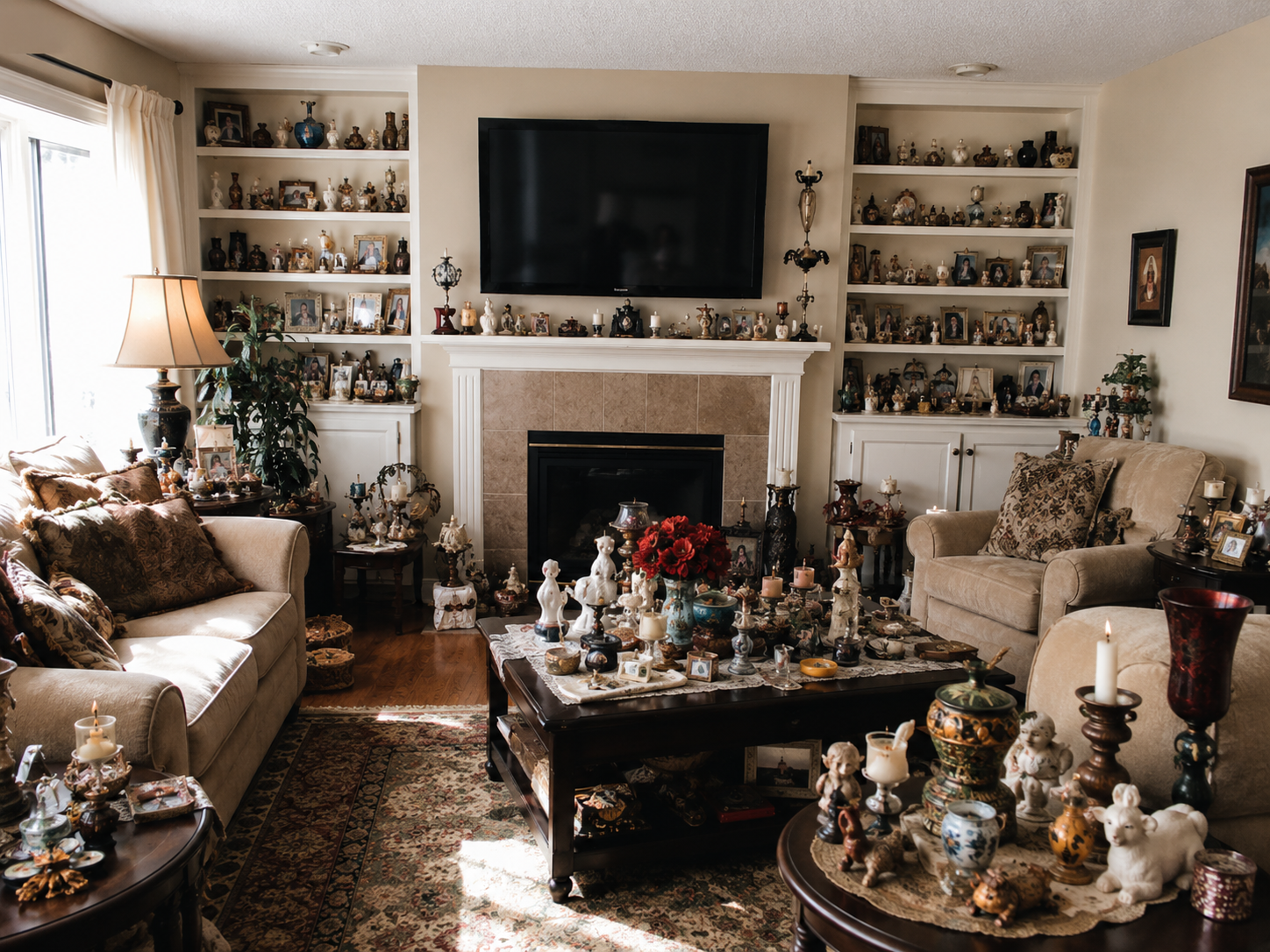
Tiny frames, candles, figurines, bowls, and ornaments spread across every surface create visual noise. Instead of looking collected and meaningful, the room may feel crowded and disorganized.
A more elegant approach is to choose fewer pieces with greater visual impact. Use one larger vase instead of several tiny containers, or place a small group of coordinated objects on a decorative tray.
Varying the height and shape of accessories creates interest while maintaining balance. For example, you can combine a stack of books, a medium-sized vase, and one sculptural object.
Leaving some empty space is also important. Negative space allows the decor to breathe and helps each item look more intentional.
4. Relying on One Harsh Ceiling Light
Lighting can completely change how furniture, paint colors, and decorative materials appear.
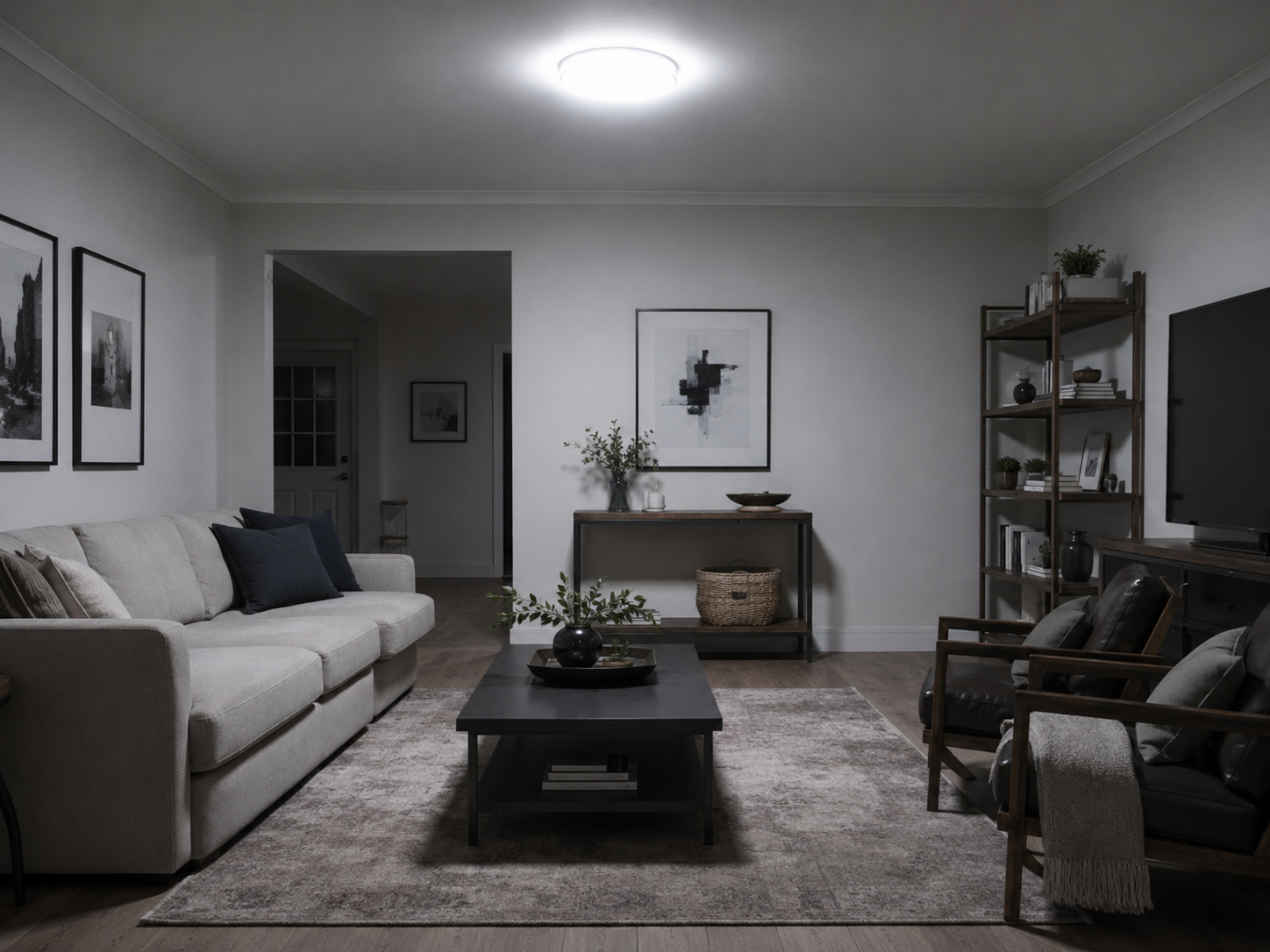
Using only one bright ceiling light often makes a room feel flat, cold, or unfinished. Even a well-decorated space can lose its charm under harsh lighting.
For a more sophisticated atmosphere, use several sources of light throughout the room. Combine a ceiling fixture with floor lamps, table lamps, wall sconces, or accent lighting.
This technique is known as layered lighting. It creates depth and allows you to adjust the mood depending on the time of day.
Warm white bulbs generally create a softer and more welcoming effect than cool blue-toned lighting. Lamps with fabric shades also help diffuse the light and make the room feel more comfortable.
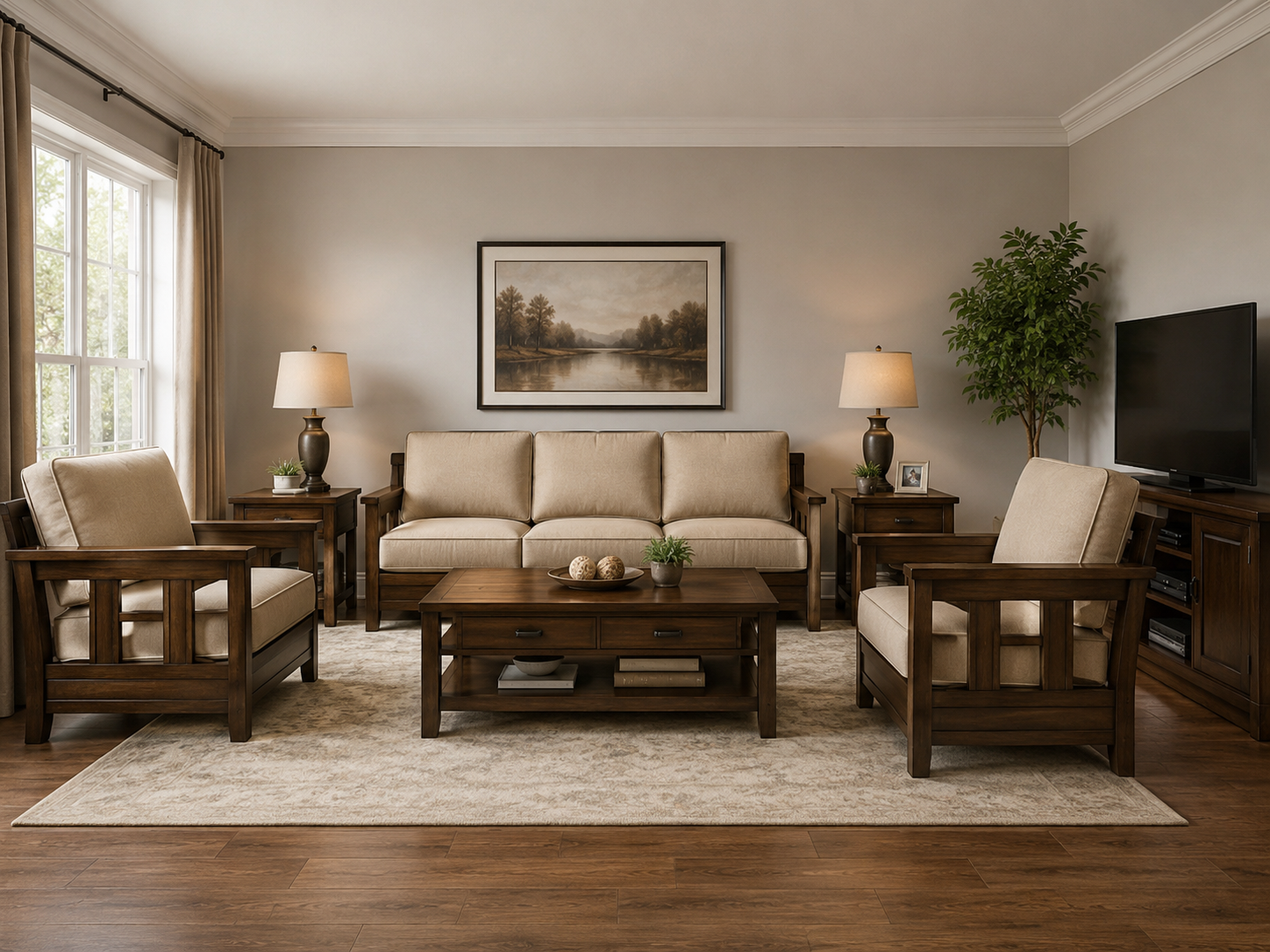
5. Buying Matching Furniture Sets
Matching furniture sets may seem like an easy decorating solution, but they can make a room look more like a showroom than a thoughtfully designed home.
When the sofa, chairs, coffee table, side tables, and entertainment unit all have the same style and finish, the room can feel predictable and impersonal.
Designer-inspired interiors often combine pieces that coordinate without matching perfectly. The goal is to create variety while maintaining a connection between colors, materials, and shapes.
For example, pair a neutral sofa with a wood coffee table, a textured accent chair, and black metal side tables. The pieces can have different designs while still looking cohesive.
Mixing furniture gradually also makes the home feel more collected and personal.
6. Ignoring Scale and Proportion
Furniture and accessories should match the size of the room and the surrounding pieces.
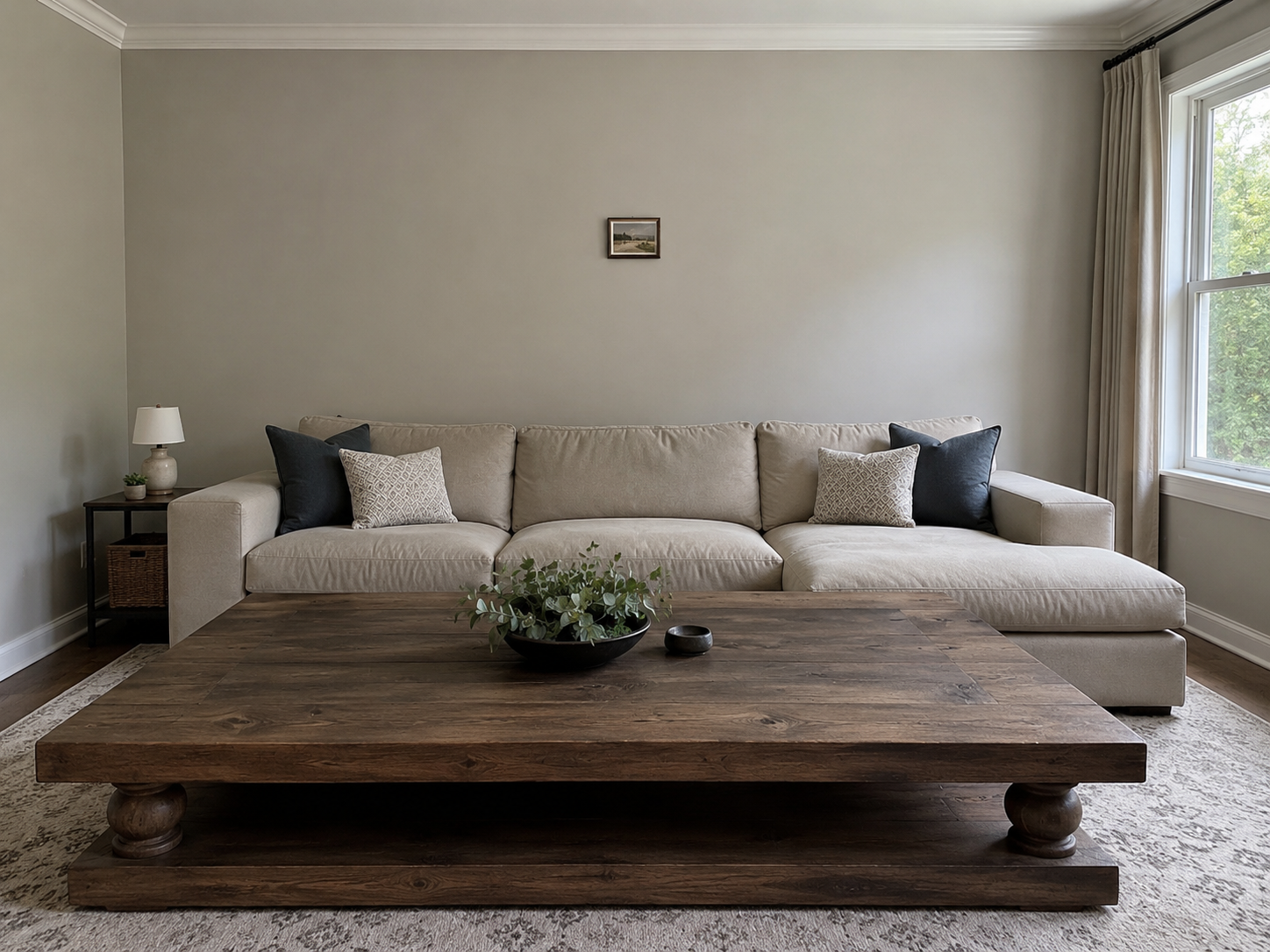
A large sectional can overwhelm a small living room, while tiny furniture may look lost in a spacious area. The same rule applies to artwork, lamps, rugs, and decorative objects.
One common mistake is hanging a very small picture above a large sofa. The artwork looks disconnected because it does not have enough visual weight.
Choose one large piece of art or create a balanced gallery wall that fills an appropriate amount of space. As a general visual guide, artwork above a sofa should cover a significant portion of the sofa’s width.
Lamps should also be proportional to the furniture around them. A tiny lamp on a large console table may look awkward, while an oversized lamp can overpower a narrow side table.
Paying attention to scale makes a room feel balanced and professionally designed.
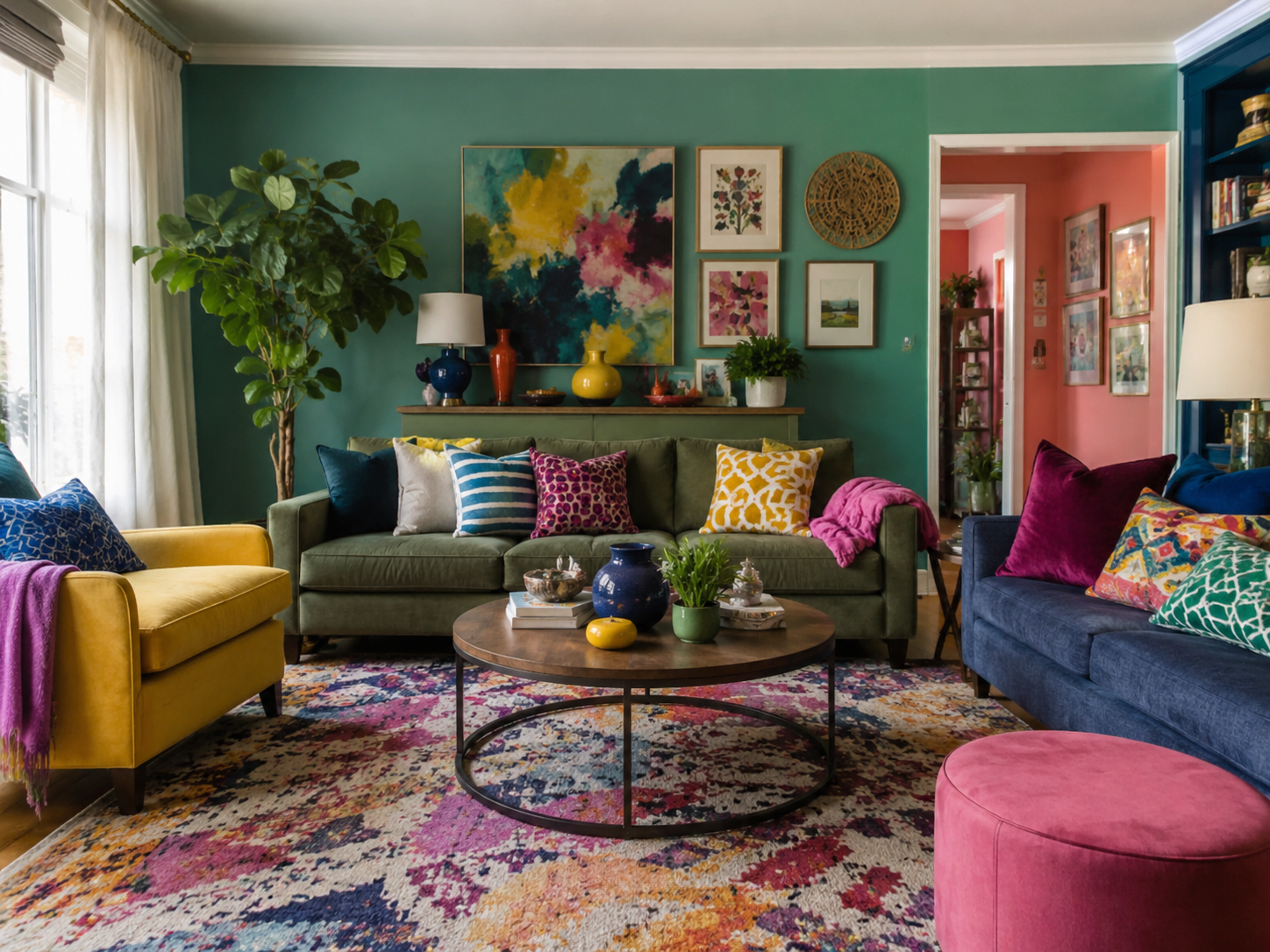
7. Using Too Many Unrelated Colors
A home does not need to be completely neutral, but using too many unrelated colors can make the decor feel chaotic.
When every room contains a different combination of bright shades, patterns, and finishes, the home may lack visual flow.
Choose a simple color palette with two or three main colors and a few supporting accents. Repeating these tones throughout the space creates unity.
For example, a living room could include warm white, beige, natural wood, and touches of olive green. These colors can appear in the curtains, cushions, artwork, rugs, and decorative accessories.
You can still introduce personality through texture and pattern. However, keeping the overall palette controlled will help the room look calmer and more sophisticated.
8. Keeping Too Much Clutter Visible
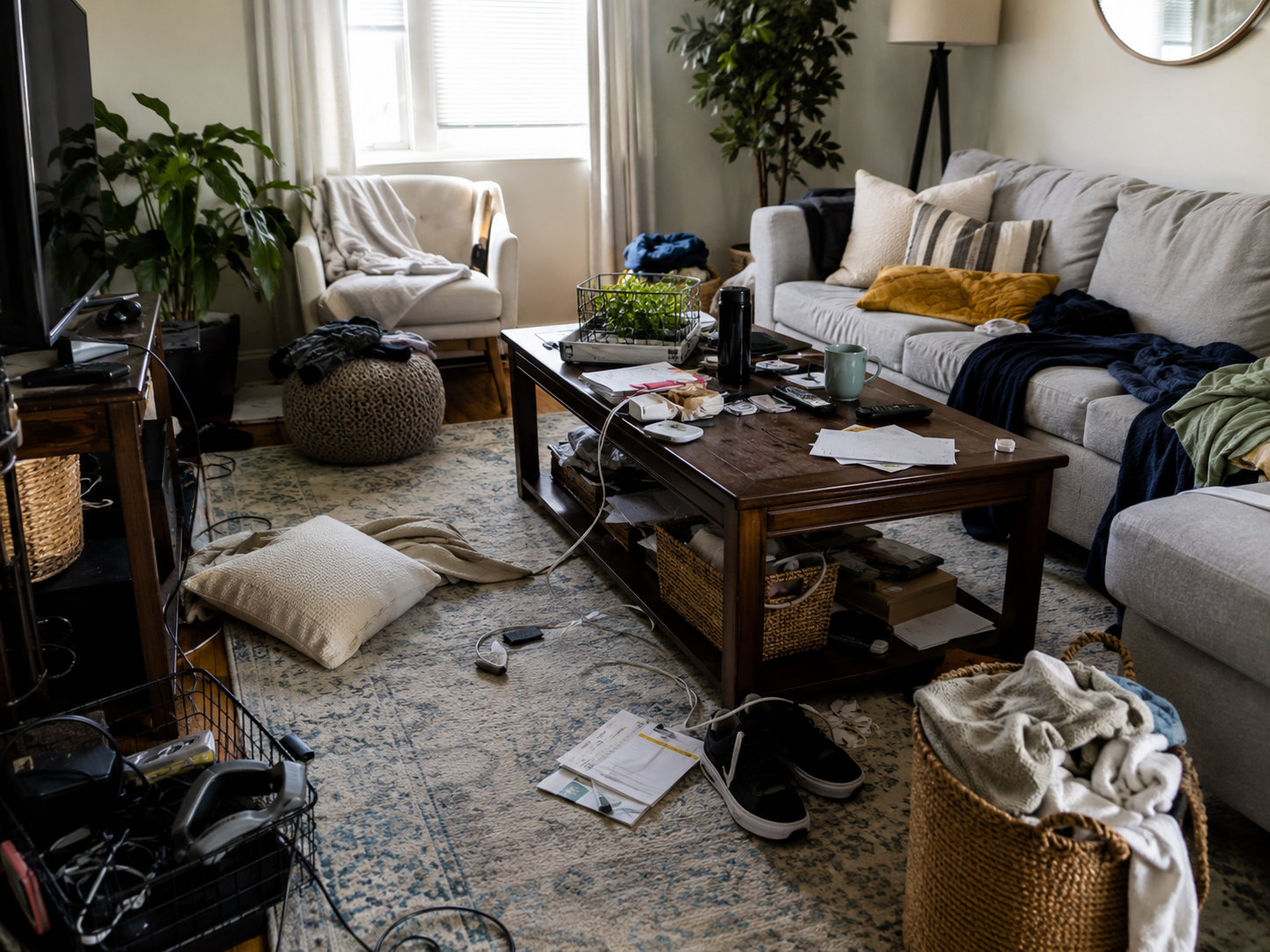
Clutter is one of the fastest ways to make a home look less polished.
Visible cables, remote controls, papers, toys, shoes, and everyday objects can distract from even the most beautiful decor.
The solution is not to remove everything from the room. Instead, create practical storage for the items you use regularly.
Use decorative baskets, closed cabinets, drawers, trays, and storage ottomans to keep surfaces organized. Coffee tables and side tables should have enough open space to remain functional.
It is also helpful to review your decor regularly. Remove objects that no longer serve a purpose or fit the style of the room.
A clean, organized space often looks more expensive because the furniture, lighting, and decorative details become easier to appreciate.
How to Make Your Home Look More Expensive
You do not need to correct every decorating mistake at once. Begin with the changes that will have the greatest visual impact.
Replace short curtains, choose a larger rug, improve the lighting, and remove unnecessary accessories. These updates can transform a room without requiring a complete renovation.
Focus on quality over quantity. One beautiful mirror, lamp, vase, or artwork piece can have more impact than many inexpensive accessories.
Natural materials such as wood, linen, cotton, stone, and ceramic also help create a timeless and elevated appearance.
Most importantly, make sure the room feels comfortable and reflects your personal style. A home looks its best when the design feels intentional rather than overly staged.
Final Thoughts
Many decor mistakes that make a home look cheap have nothing to do with the actual price of the furniture.
Curtains that are too short, undersized rugs, harsh lighting, matching furniture sets, clutter, and poor proportions can make a room feel incomplete. Fortunately, these problems are usually simple to fix.
By choosing the right scale, limiting clutter, layering the lighting, and creating a cohesive color palette, you can make any room look more elegant and polished.
Thoughtful decorating will always have a greater impact than filling a home with expensive items. With a few intentional changes, your space can feel stylish, welcoming, and beautifully designed.


